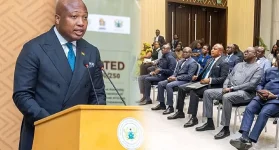
Landmark UN vote branding transatlantic slavery the worst crime against humanity opened fresh doors for reparations talks and global reckoning.
UN Resolution Push
UN Resolution Push
- Samuel Okudzeto Ablakwa briefed the media after the adoption of A RES 80 250 on March 25 2026.
- One hundred twenty-three states backed the measure, while three opposed and fifty-two abstained.
- President John Dramani Mahama drove the effort as African Union Champion on Reparations.
- Ghana's Foreign Affairs Minister hailed it as a shift from mere remembrance to addressing deep legacies.
- Ablakwa dismissed claims of equal African involvement in any legitimate trade system.
- Captives faced forced raids, brutal transport, and sustained violence without consent or agency.
- Local intermediaries played roles yet never controlled or owned the externally designed network.
- Resolution frames the trafficking as organised crime financed and legalised outside Africa.
- Calls target investments in education infrastructure and community development rather than cash handouts.
- No compensation can erase the full scale of historical injustice, according to the minister.
- Framework now encourages ongoing dialogue on reforms and cultural restitution efforts.
- Partners like the African Union, CARICOM, and figures including Al Sharpton helped build support.