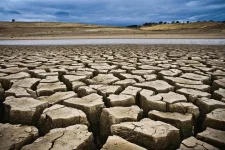
Billions in annual losses from escalating drought are hammering Namibia's economy, as climate change converts extreme weather into a routine crisis.
The environmental breakdown by numbers
The environmental breakdown by numbers
- Indileni Daniel says average temperatures climbed one point two degrees Celsius locally.
- Over eighty percent of Namibian territory falls into arid or semi-arid classifications.
- Rainfall variability here ranks among sub-Saharan Africa's most extreme patterns.
- Flooding displaces families and wrecks roads, while wildfires threaten biodiversity and rural jobs.
- The drought slashed crop yields and knocked dam levels down over seventy percent.
- More than one million residents faced food insecurity during the crisis peak.
- Nearly seventy percent of the population relies on agriculture for survival and income.
- Weather shocks keep hitting the farming sector, which employs most rural Namibians.
- Elijah Ngurare laid out three strategic priorities for tackling the country's climate challenges.
- Conservation areas and communal conservancies span almost half the country's entire landmass.
- Namibia remains a net carbon sink, with land-based removals increasing since nineteen ninety.
- Officials stressed that reactive disaster responses alone won't cut it for future preparedness.