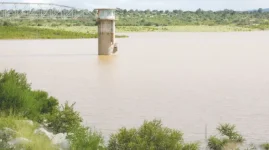
Talk about a city left high and dry. Bulawayo's major reservoirs are sitting at less than half capacity, a stark contrast to most of the nation's nearly full dams. Key water sources for the city, like Inyankuni, Umzingwane, and both Ncema dams, are critically low despite rainfall elsewhere.
This deficit persists because the catchment areas in Matabeleland South province are not receiving adequate inflow. Compounding the problem, illegal gold mining operations wreck riverbeds near Upper Ncema, Inyankuni, and Umzingwane dams. These activities threaten future water collection regardless of precipitation.
Authorities conduct regular patrols, arresting miners and confiscating equipment like detector machines. The Bulawayo City Council acknowledges long-term issues from a semi-arid climate, aging pipes, and population growth without new infrastructure. Conservation pleas to residents and industries continue.
Proposed fixes need immediate funding that the council lacks. Solutions include building a Glass Block Dam in Insiza District, fixing the Ncema treatment plant, and reviving boreholes at the Nyamandlovu Aquifer. Local research champions water recycling, smart metering, and reducing system losses.
This deficit persists because the catchment areas in Matabeleland South province are not receiving adequate inflow. Compounding the problem, illegal gold mining operations wreck riverbeds near Upper Ncema, Inyankuni, and Umzingwane dams. These activities threaten future water collection regardless of precipitation.
Authorities conduct regular patrols, arresting miners and confiscating equipment like detector machines. The Bulawayo City Council acknowledges long-term issues from a semi-arid climate, aging pipes, and population growth without new infrastructure. Conservation pleas to residents and industries continue.
Proposed fixes need immediate funding that the council lacks. Solutions include building a Glass Block Dam in Insiza District, fixing the Ncema treatment plant, and reviving boreholes at the Nyamandlovu Aquifer. Local research champions water recycling, smart metering, and reducing system losses.