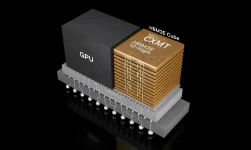
China's CXMT plans to sell HBM3E chips despite an estimated yield of just 20 to 30%. That means most units may fail to meet the grade, yet the firm still wants to sell the chips. The yield estimate isn't new, but the plan to sell them at that rate is. No firm sales count, buyer list, or price has been confirmed.
Earlier reports had CXMT making small batches of HBM3E, with Alibaba's T-Head and Cambricon set to test the first units. A wider production push is set for 2027, based on those claims. But the latest sales plan may mean CXMT is keen to get chips into use before its yield gets much better.
Other data paints a rough picture. An older 8-layer HBM3 process had a front-end yield near 30%, while about 70% of units passed the final stage. That works out to roughly 21% in total, though another estimate put it near 25%. Worth noting, those were HBM3 figures, not direct test results for HBM3E.
The cost math is pretty grim. HBM packs DRAM dies in layers and uses tiny vertical links to join them. One bad die can ruin a whole stack. At such low yields, CXMT may lose cash on failed parts and the work used to pack them. Higher prices, state aid, or future sales could help make that trade worth it.
Meanwhile, SK hynix and Samsung have a clear lead. The first firm began large-scale HBM3E output in 2024, and the latter did the same in 2025. Both have since moved to HBM4. Some experts place CXMT three to five years behind its Korean rivals.
Even CXMT's DDR5 work has had a rough run. Korean reports put its past yields at 10 to 20%, and CXMT has also admitted that its rates were low. Limits on access to EUV chipmaking gear add more cost and leave fewer ways to make each bit of memory.
Then there's the PC RAM angle. CXMT may give HBM a 20% share of its 300,000-wafer monthly DRAM capacity. That's about 60,000 wafers per month. Each wafer sent there is one less for DDR5 or LPDDR5X, which serve PCs and phones. Poor HBM yields could make that trade even less efficient.
Still, local demand may keep the plan alive. Huawei, Cambricon, and T-Head face limits when they try to get Korean HBM, which gives CXMT a ready pool of buyers in China. And while that may help local AI chip firms, no overseas HBM3E sales have been confirmed. Nothing here proves Nvidia or AMD has cleared these chips for use either.