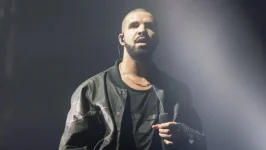
Drake is not done fighting Not Like Us, pushing back on a judge’s ruling and daring an appeals court to rethink how rap lyrics get treated in defamation law.
The case is back from the dead
The case is back from the dead
- Three months after losing in court, Drake is officially appealing the dismissal of his defamation lawsuit.
- The target remains Universal Music Group, not Kendrick Lamar directly.
- A 117-page appellate brief hit the United States Court of Appeals for the Second Circuit on January 21.
- The filing asks the court to undo an October ruling from Judge Jeannette Vargas.
- Drake sued in January 2025, months after Not Like Us dropped in May 2024.
- The accusation was that UMG knowingly pushed lyrics he says were false and defamatory.
- The song sat at the center of a highly publicized feud with Kendrick Lamar.
- Judge Vargas framed the track as a protected opinion, not defamation.
- She treated the song as part of a broader rap battle context, not a standalone statement of fact.
- His lawyers say the court went too far by implying that diss tracks can never be actionable.
- The brief insists millions of listeners took the lyrics as factual, not metaphorical or insulting.
- The claim is that real-world belief followed, not just online trash talk.
- Not Like Us exploded beyond rap circles, according to the filing.
- It logged over 1.8 billion streams on Spotify alone.
- The track won Record of the Year at the Grammy Awards.
- It was also performed at the Super Bowl Halftime Show for an audience of 133.5 million.
- Drake argues the judge wrongly bundled the song into the entire feud.
- His filing says Not Like Us was the only track that truly broke through.
- The brief contrasts it with Euphoria, which it says drew just 4.1 percent of the attention.
- Lawyers argue the song kept reaching fresh audiences with no clue about the rap beef.
- Examples cited include political and award show settings.
- The claim is that many listeners never heard any diss tracks before this one.
- The appeal also revives claims of deceptive promotion.
- Drake alleges UMG aggressively spread the track despite knowing the allegations were false.
- Safety concerns for Drake and his family are folded into that argument.
- After the dismissal, UMG called the lawsuit an attack on creative expression.
- The company previously labeled Drake’s claims as wild conspiracies.
- As of this filing, UMG has not responded publicly to the appeal.