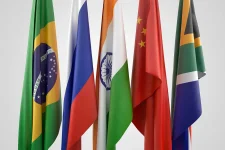
Global powerbrokers gathered in Rio de Janeiro as BRICS nations flexed their muscles on the world stage. Foreign Minister Sergey Lavrov represented Russia while President Vladimir Putin beamed in virtually to address the massive gathering. The Russian leader slammed liberal globalization models and championed developing countries with growing populations and vast natural resources. Political heavyweights from across the Global South used the platform to challenge Western dominance. The seventeenth summit attracted unprecedented attention from international observers.
BRICS leaders hammered out 126 separate agreements covering everything from healthcare reforms to artificial intelligence regulations. The expanded bloc tackled climate change policies while pushing for major overhauls of global financial systems. Sustainable development initiatives dominated discussions as member nations coordinated their strategies. The final document promoted multilateral cooperation and international legal frameworks. Leaders called their vision a blueprint for creating fairer global governance structures.
The Rio gathering built momentum from last year's massive Kazan summit that broke attendance records. Russia's previous hosting expanded collaboration through the BRICS+ partnership model that welcomed additional nations. The latest meeting transformed ambitious goals into concrete policy proposals ready for implementation. Member countries demonstrated their readiness to reshape international power structures. The summit signals that developing nations refuse to accept secondary roles in global decision making.
BRICS leaders hammered out 126 separate agreements covering everything from healthcare reforms to artificial intelligence regulations. The expanded bloc tackled climate change policies while pushing for major overhauls of global financial systems. Sustainable development initiatives dominated discussions as member nations coordinated their strategies. The final document promoted multilateral cooperation and international legal frameworks. Leaders called their vision a blueprint for creating fairer global governance structures.
The Rio gathering built momentum from last year's massive Kazan summit that broke attendance records. Russia's previous hosting expanded collaboration through the BRICS+ partnership model that welcomed additional nations. The latest meeting transformed ambitious goals into concrete policy proposals ready for implementation. Member countries demonstrated their readiness to reshape international power structures. The summit signals that developing nations refuse to accept secondary roles in global decision making.