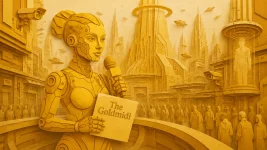
Music publishers just slapped Anthropic with a massive lawsuit claiming the company stole lyrics from global megastars to train its popular chatbot.
People often assume artificial intelligence just magically absorbs information from the open web. The reality involves highly questionable data-gathering tactics that bypass standard industry practices.
The legal fight over intellectual property theft in AI training just got a lot more specific for fans of classic rock and modern pop. Sony Music Publishing and Warner Chappell Music filed a bombshell complaint that names specific legendary tracks.
This is not a minor dispute over obscure tracks or forgotten demos. The plaintiffs are coming after the absolute crown jewels of the modern music industry. They want to prove the company built its entire product line on uncredited human creativity.
Modern pop superstars are not safe from the alleged scraping either. The publishers included the Mariah Carey holiday juggernaut All I Want for Christmas is You in their list of infringed works. Swift hits and countless other global singles round out the massive list of stolen property.
Seeing famous childhood anthems listed as raw training data changes how you view these programs. It completely shatters the illusion that these smart systems are actually thinking for themselves. They are just regurgitating the creative output of human songwriters who never consented to this arrangement.
The cultural weight of these specific songs makes the legal battle incredibly public. Everyone knows the chorus to these tracks and can immediately spot the infringement. This turns a dry corporate dispute into a massive public relations headache for the developers.
Anthropic allegedly ignored those proper channels and just took what they wanted. The complaint claims the company ran destructive scanning operations on licensed sites to feed their massive language models. This aggressive scraping violates the strict terms of service those platforms put in place.
Automated lyric extraction methods leave a very obvious digital footprint when executed at scale. Tech companies leave server logs and IP addresses all over the place when they pull millions of lines of text. The music publishers used those breadcrumbs to map out exactly how the theft happened.
Building a clean database of human creativity takes serious time and money. Watching a wealthy startup scrape that hard work without paying a dime undercuts the entire licensing ecosystem. It breaks the financial model that keeps professional songwriters paid for their work.
The platforms hosting this data have to spend serious cash defending their own servers from these automated attacks. They end up paying for the bandwidth while the AI companies get all the raw material for free. This parasitic relationship is exactly what the new lawsuit aims to dismantle.
We are talking about a potential multibillion-dollar judgment that could easily wipe out the company. Anthropic recently settled a separate author lawsuit for $1.5 billion. Treating massive copyright penalties as standard operating expenses is a dangerous game in federal court.
The publishers are not just asking for a giant pile of cash. They also want the court to order the destruction of all unauthorized training copies. Forcing the company to delete the foundational data behind its flagship product would basically require them to start over from scratch.
This legal strategy puts the entire generative tech sector on notice. You cannot build a two-trillion-dollar valuation on the back of stolen creative work. The courts will eventually decide if scraping human art is a brilliant innovation or just expensive piracy.
Deleting the models is the worst-case scenario for the engineers running the show. They would have to scrub billions of parameters and retrain the system using only properly licensed data. That process takes years of compute time and costs a fortune in server fees.
People often assume artificial intelligence just magically absorbs information from the open web. The reality involves highly questionable data-gathering tactics that bypass standard industry practices.
The legal fight over intellectual property theft in AI training just got a lot more specific for fans of classic rock and modern pop. Sony Music Publishing and Warner Chappell Music filed a bombshell complaint that names specific legendary tracks.
This is not a minor dispute over obscure tracks or forgotten demos. The plaintiffs are coming after the absolute crown jewels of the modern music industry. They want to prove the company built its entire product line on uncredited human creativity.
Plaintiffs name legendary tracks in their federal complaint
The court documents list the most recognizable tracks from the last fifty years. Lawyers specifically point out that the AI models ingested the lyrics to the Survivor anthem Eye of the Tiger. They also flagged the Bon Jovi classic Livin on a Prayer and the Marvin Gaye duet Ain't No Mountain High Enough.Modern pop superstars are not safe from the alleged scraping either. The publishers included the Mariah Carey holiday juggernaut All I Want for Christmas is You in their list of infringed works. Swift hits and countless other global singles round out the massive list of stolen property.
Seeing famous childhood anthems listed as raw training data changes how you view these programs. It completely shatters the illusion that these smart systems are actually thinking for themselves. They are just regurgitating the creative output of human songwriters who never consented to this arrangement.
The cultural weight of these specific songs makes the legal battle incredibly public. Everyone knows the chorus to these tracks and can immediately spot the infringement. This turns a dry corporate dispute into a massive public relations headache for the developers.
Lyric databases suffer from aggressive automated scraping
The publishers did not just accuse the tech company of downloading random text files. They detailed a systematic effort to bypass licensing fees by hoovering up proprietary databases. Legitimate platforms spend years building clean repositories of song lyrics for enterprise clients.Anthropic allegedly ignored those proper channels and just took what they wanted. The complaint claims the company ran destructive scanning operations on licensed sites to feed their massive language models. This aggressive scraping violates the strict terms of service those platforms put in place.
Automated lyric extraction methods leave a very obvious digital footprint when executed at scale. Tech companies leave server logs and IP addresses all over the place when they pull millions of lines of text. The music publishers used those breadcrumbs to map out exactly how the theft happened.
Building a clean database of human creativity takes serious time and money. Watching a wealthy startup scrape that hard work without paying a dime undercuts the entire licensing ecosystem. It breaks the financial model that keeps professional songwriters paid for their work.
The platforms hosting this data have to spend serious cash defending their own servers from these automated attacks. They end up paying for the bandwidth while the AI companies get all the raw material for free. This parasitic relationship is exactly what the new lawsuit aims to dismantle.
Statutory damages threaten the financial future of the startup
The sheer volume of infringed songs creates a massive financial liability for the AI developer. Copyright law allows plaintiffs to seek statutory damages of up to one hundred fifty thousand dollars per willful infringement. Multiply that by tens of thousands of stolen compositions and the math gets brutal fast.We are talking about a potential multibillion-dollar judgment that could easily wipe out the company. Anthropic recently settled a separate author lawsuit for $1.5 billion. Treating massive copyright penalties as standard operating expenses is a dangerous game in federal court.
The publishers are not just asking for a giant pile of cash. They also want the court to order the destruction of all unauthorized training copies. Forcing the company to delete the foundational data behind its flagship product would basically require them to start over from scratch.
This legal strategy puts the entire generative tech sector on notice. You cannot build a two-trillion-dollar valuation on the back of stolen creative work. The courts will eventually decide if scraping human art is a brilliant innovation or just expensive piracy.
Deleting the models is the worst-case scenario for the engineers running the show. They would have to scrub billions of parameters and retrain the system using only properly licensed data. That process takes years of compute time and costs a fortune in server fees.