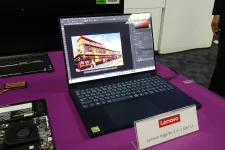
Lenovo Japan has introduced the Yoga 9n 2-in-1 Gen 11, a 16-inch convertible priced at ¥912,780, or about $5,747. The machine runs on NVIDIA's RTX Spark N1X platform, with a focus on local AI, digital art, and demanding creative work. It's a high-end setup with some unusual hardware.
Underneath, an Arm-based Grace CPU works with a Blackwell RTX GPU. Lenovo lists up to 6,144 GPU cores and 64GB of LPDDR5X-9400 unified memory. Both processors share that RAM, which can help with large AI models and creative files. Yet the GPU can't claim all 64GB for itself at once.
The screen gets plenty of attention. A 2.8K OLED touch panel spans 16 inches, with refresh rates that shift from 30Hz to 120Hz. Lenovo claims full P3 color coverage, a peak HDR brightness of 1,100 nits, and Dolby Vision support. Actual color and brightness results still need testing.
Pen users get a neat extra feature. Yoga Pen Gen 2 works on both the screen and the haptic touchpad, which has a digitizer built in. It can detect tilt, track a hovering pen, and read 8,192 levels of pressure at 480Hz. That gives artists another input area without needing a separate tablet.
For a convertible with this much hardware, the case is fairly slim. It weighs around 1.94kg and measures about 17.5mm at its thinnest point. A flexible hinge lets it switch between laptop and tablet-style use, which may suit sketching, notes, and other pen-based tasks.
Ports are not in short supply, either. Two USB4 Type-C connections offer 40Gbps speeds, video output, and charging support. Users also get dual 10Gbps USB-A ports, HDMI 2.1, an SD card reader, and a headset jack.
Cooling gets a custom setup. Lenovo uses a thermal plate across the CPU and shared memory, along with heat pipes and Falcon 3.0 fans. That's a lot of hardware to keep cool in a slim body, but there's no firm data yet on fan noise or how fast it stays under long workloads.
The Yoga Pro 9n is already part of Lenovo's Japanese range. This new model adds a convertible design and pen input to the same broader platform family, giving buyers another form factor rather than just a different screen size.
One catch is Windows 11 on Arm. Some desktop apps, drivers, and AI tools may not work the same way they do on a regular x86 PC. Anyone eyeing this for a specific workflow will need to check software and device support first.
The Japanese launch is set for later in the month. Lenovo hasn't confirmed sales plans or official prices for other markets, and the dollar figure is just a conversion of the local price.