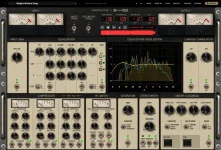
Northstar gives the mix bus three compressor types, six routing orders, and a true-peak limiter inside the same mastering chain. Useful mix bus compression settings therefore start with restraint rather than activating every dynamics stage at once. Begin with one compressor, match the processed level to bypass, and change only enough to hear a clear improvement in movement, density, or peak control.
The Northstar mix bus mastering chain also includes separate stereo, Mid, and Side EQ banks, dynamic Low and High Translation, saturation, loudness metering, and level-matched comparison. Those tools make it tempting to master by accumulation. A better starting point is to decide what the mix actually needs. If the balance, low end, or vocal relationship is still unstable, prepare the mix for mastering before asking the master bus to repair it.
Avoid turning compression into a loudness contest. A faster attack can shave more of a kick or snare transient, while an overly slow release can keep the entire mix pinned down after the event has passed. Level-matched bypass matters here because a louder processed signal can sound more impressive even when its punch has been reduced. The distinction between compressor and limiter roles also keeps ordinary bus movement separate from final peak containment.
Only bring in a second compressor when it has a different assignment. One stage might catch sharper peaks while another shapes the broader envelope. Northstar's routing control matters because the first processor changes the signal received by the next one. Swapping FET, VCA, and Vari-Mu order is therefore not cosmetic. Compare routes at matched loudness and keep the version that improves the mix without making cymbals smaller, low end less stable, or verses unnaturally dense.
Make broad changes before narrow ones and keep checking the full mix rather than staring at the spectrum. Low and High Translation can handle frequency areas that become excessive only in certain passages, which can be cleaner than forcing a static EQ cut across the whole song. If the chorus becomes bright but the verse already sits correctly, dynamic control has a clearer job than permanent attenuation.
Stereo width belongs late in the decision process. If a width change weakens the center, shifts the bass relationship, or changes mono playback in an unwanted way, the master has traded stability for size. Northstar's separate controls make experimentation easy, but each section should still answer a problem you can identify without the interface telling you one exists.
A -14 LUFS mastering target is a delivery scenario, not a universal quality setting. Northstar's Set Level and LUFS meters can help you approach a chosen target, but the decision still belongs to the music, the destination, and the amount of limiting required to get there. Compare the result with Level-Matched Bypass so the louder version does not win automatically, then listen for softened transients, pumping, narrowed depth, or a top end that becomes harder as the limiter works.
Run the loudest section again after the final gain move because compression, saturation, EQ, and limiting can all change the peak relationship. If the loudness target forces the limiter to reshape the groove or flatten the attacks you were trying to preserve, back off the level before adding more dynamics processing. A master that keeps its transient structure and stereo balance intact has solved more than one that merely reaches a larger number.
The Northstar mix bus mastering chain also includes separate stereo, Mid, and Side EQ banks, dynamic Low and High Translation, saturation, loudness metering, and level-matched comparison. Those tools make it tempting to master by accumulation. A better starting point is to decide what the mix actually needs. If the balance, low end, or vocal relationship is still unstable, prepare the mix for mastering before asking the master bus to repair it.
Start with one compressor doing one job
Northstar's FET, VCA, and Vari-Mu choices are useful because they do not have to solve the same problem. For practical mastering compression settings, pick the character that best matches the issue you can hear, then lower the threshold until the loudest passages show controlled movement rather than constant reduction. Let attack determine how much transient gets through, and let release determine how naturally the gain returns before the next important hit.Avoid turning compression into a loudness contest. A faster attack can shave more of a kick or snare transient, while an overly slow release can keep the entire mix pinned down after the event has passed. Level-matched bypass matters here because a louder processed signal can sound more impressive even when its punch has been reduced. The distinction between compressor and limiter roles also keeps ordinary bus movement separate from final peak containment.
Only bring in a second compressor when it has a different assignment. One stage might catch sharper peaks while another shapes the broader envelope. Northstar's routing control matters because the first processor changes the signal received by the next one. Swapping FET, VCA, and Vari-Mu order is therefore not cosmetic. Compare routes at matched loudness and keep the version that improves the mix without making cymbals smaller, low end less stable, or verses unnaturally dense.
Use mid-side tone shaping before loudness
Mid side EQ mastering is most useful when the center and edges have genuinely different tonal problems. Northstar can EQ the full stereo signal, Mid information, and Side information independently, so you can leave a balanced center alone while trimming an over-bright stereo edge, or correct the center without making wide ambience follow the same move. The same principle behind mid/side compression applies here. Separate treatment earns its place only when the two components need separate treatment.Make broad changes before narrow ones and keep checking the full mix rather than staring at the spectrum. Low and High Translation can handle frequency areas that become excessive only in certain passages, which can be cleaner than forcing a static EQ cut across the whole song. If the chorus becomes bright but the verse already sits correctly, dynamic control has a clearer job than permanent attenuation.
Stereo width belongs late in the decision process. If a width change weakens the center, shifts the bass relationship, or changes mono playback in an unwanted way, the master has traded stability for size. Northstar's separate controls make experimentation easy, but each section should still answer a problem you can identify without the interface telling you one exists.
Let the limiter solve the final peak problem
Mastering limiter settings should come after tonal balance and compression are already behaving. Use the limiter for the remaining peaks and final level, then check both integrated loudness and true peak rather than treating either meter as a complete description of the master. Extra gain consumes true-peak headroom, so a louder target can require more peak control even when the earlier compression has not changed.A -14 LUFS mastering target is a delivery scenario, not a universal quality setting. Northstar's Set Level and LUFS meters can help you approach a chosen target, but the decision still belongs to the music, the destination, and the amount of limiting required to get there. Compare the result with Level-Matched Bypass so the louder version does not win automatically, then listen for softened transients, pumping, narrowed depth, or a top end that becomes harder as the limiter works.
Run the loudest section again after the final gain move because compression, saturation, EQ, and limiting can all change the peak relationship. If the loudness target forces the limiter to reshape the groove or flatten the attacks you were trying to preserve, back off the level before adding more dynamics processing. A master that keeps its transient structure and stereo balance intact has solved more than one that merely reaches a larger number.