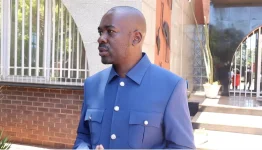
Chamisa is pitching Agenda 2026 as a national talk-first reset, not a party launch, aimed at breaking Zimbabwe’s endless political loop.
What Agenda 2026 is meant to be
What Agenda 2026 is meant to be
- Nelson Chamisa framed Agenda 2026 as an open discussion platform.
- Not positioned as a political party.
- Not pitched as a civic organization.
- Meant to surface solutions through conversation.
- Rejects strongman politics.
- Pushes institutions and ideas over personalities.
- Argues Africa overvalues big men.
- Calls for nations built on thought.
- Poverty and daily community struggles.
- Economic underperformance across Zimbabwe.
- Breakdown of social infrastructure.
- Broad reimagining of the country.
- Describes Zimbabwe as being in a crisis cycle.
- Says elections repeat the same failures.
- Warns against rushing into another vote.
- Argues the system itself needs fixing.
- Calls for a new national consensus.
- Emphasizes unity of action and direction.
- Frames it as a collective responsibility.
- Says progress needs shared force.
- Wants engagement with regional diplomacy.
- Cites Southern African Development Community criticism.
- Points to unresolved election disputes.
- Argues that legitimacy questions remain open.
- Says Zimbabwe exports its crisis.
- Mentions the strain on South Africa.
- Also flags Botswana and Mozambique.
- Frames migration as a fixable failure.
- References the disputed 2023 election.
- Says the issue remains unresolved.
- Warns repetition leads nowhere.
- Calls the cycle vicious and self-defeating.