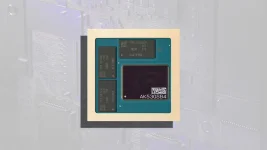
Qualcomm knows unified RAM rules, but its OEM middle-man reality makes copying Apple painful and expensive.
Why Apple pulls it off
Why Apple pulls it off
- Apple controls hardware, software, and configs end to end.
- Unified memory sits on-package for speed.
- Latency drops hard compared with off-chip RAM.
- Fewer SKUs keep costs predictable.
- Qualcomm sells chips, not finished laptops.
- Multiple OEMs demand flexibility.
- On-package RAM raises base SoC pricing.
- Laptop makers hate margin erosion.
- Snapdragon chips ship across many notebook brands.
- OEMs prefer sourcing DRAM separately.
- Suppliers like Samsung stay in play.
- SK hynix remains cheaper for partners.
- Snapdragon X2 Elite Extreme uses on-package memory.
- Locked to a 48GB configuration.
- Clearly aimed at premium machines.
- Pricing likely brutal.
- Unified RAM forces many fixed-memory variants.
- Each OEM needs custom SKUs.
- Unsold configs become dead weight.
- Inventory risk multiplies fast.
- DRAM adds heat near compute blocks.
- Cooling costs jump immediately.
- Thicker designs become unavoidable.
- OEMs push back hard.
- LPCAMM2 offers speed without killing upgrades.
- Adoption timing remains uncertain.
- Apple-like snappiness stays elusive.
- Qualcomm-branded laptops might change that.