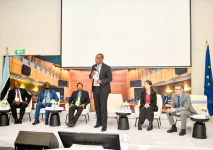
Wildlife tourism makes bank, locals eat the damage, and Dumelang Saleshando basically told global policymakers that Maun is done carrying the costs in silence.
Why this moment mattered
Why this moment mattered
- On January 19, 2026, Dumelang Saleshando stepped into the International Parliament Roundtable on Human Wildlife Coexistence
- The conversation was framed through real life in Maun, not abstract policy talk
- Daily survival, not theory, drove the tone of his contribution
- Human wildlife conflict hits food security, income, and personal safety all at once
- Delays from authorities turn damage into long-running stress
- Farmers and livestock owners absorb losses while waiting for answers
- Payouts regularly miss the true cost of wildlife damage
- Some predators are left out of compensation rules entirely
- Trust erodes when institutions shift conservation costs onto subsistence households
- Policy reform has been a constant fight, not a new interest
- The buffalo fence came up as a long-running problem with no durable fix
- Temporary responses keep cycling while communities deal with the fallout
- Communities were framed as decision-makers, not afterthoughts
- Local knowledge was treated as a resource, not an inconvenience
- Governance that ignores lived experience was called out as fragile
- Wildlife-rich areas generate serious tourism revenue
- Poverty still dominates the surrounding communities
- That gap exposes who benefits and who pays
- Equitable benefit sharing was pitched as non-negotiable
- Revenue sharing and local jobs were highlighted as pressure releases
- Community-led tourism models were framed as practical, not idealistic
- Better livelihoods lead to stronger conservation support
- Protection works when people see returns, not sacrifices
- Social sustainability was framed as the missing link
- Conservation and development were treated as inseparable
- Farmers and rural households need protection, not lectures
- Long-term legitimacy depends on communities backing the system
- Global praise means nothing without support at home in Botswana