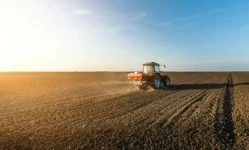
A potential Hormuz closure would gut global fertilizer supply chains, and that food-security angle is way scarier than oil prices spiking.
Why Hormuz controls the fertilizer game
Why Hormuz controls the fertilizer game
- Roughly a third of globally traded urea transits there.
- Persian Gulf nations offer rock-bottom natural gas for production.
- Qatar, Saudi Arabia, and the UAE built massive export capacity.
- Ammonia and LNG shipments all funnel through that chokepoint.
- Even small nitrogen-fertilizer cuts tank crop yields disproportionately.
- Planting-season delays of months would devastate harvests.
- Wheat, maize, and rice production all take direct hits.
- Lost tonnage would ripple into feed and food prices.
- India leans on Gulf LNG to run domestic urea plants.
- Brazil imports heavily for its soybean and maize output.
- Sub-Saharan Africa already uses minimal fertilizer as-is.
- Sulfur supply drops too, since it piggybacks oil processing.
- Fertilizer shocks lag behind oil-price spikes by months.
- Building replacement ammonia plants takes years, not weeks.
- Food-price inflation historically correlates with social unrest.
- Nitrogen literally sustains modern civilization's food output.