12V-2x6 keeps the same 16-pin 12+4 cable format as 12VHPWR, but moves its main safety changes into the mating headers. The revision is meant to make a partially seated connection less likely to operate at high power.
The practical answer to what the 12V-2x6 connector changes is therefore less dramatic than the new name suggests. The cable plug remains physically compatible, while the GPU-side and optional PSU-side PCB headers use power contacts that engage earlier and sense contacts that engage later.
A 12V-2x6 connector cable can still look almost identical to an older 12VHPWR cable. Builders should care more about the socket revision, the PSU maker's cable compatibility, and whether the plug is fully seated than about the label printed on the sleeving.
A 12V-2x6 PCIe 5.1 connector also adds a zero-power state when both relevant sense lines remain open. In practical terms, the card should not enter a normal high-power state when the sense connection indicates that the plug has not reached the intended position.
This is why 12V-2x6 is compatible with 12VHPWR cables even though the connector standard changed. The plug shell and cable-side contact arrangement stayed compatible, while markings such as H++ identify newer hardware built around the revised header definition. A cable marked H+ is not automatically unusable with an H++ socket.
Reports of melted 12-pin connectors on an RTX 5090 also show why the revision should not be treated as permission to ignore installation quality. Uneven contact, contamination, damaged terminals, or a plug that works loose can still turn high current into concentrated heat.
Newer ATX 3.1 1200W power supplies show both approaches in the market, including direct 12V-2x6 outputs and dedicated high-power cables. A PSU with a native 12V-2x6 connector can make cable routing cleaner, but native does not automatically mean electrically better than a correct vendor-supplied 2x8-pin to 16-pin cable.
The ATX 3.1 power supply vs 3.0 comparison is broader than one socket shape because the standards also differ in load-response requirements and connector definitions. Never assume a modular GPU cable from one PSU family is safe on another just because both ends physically fit. PSU-side modular pinouts are not universally interchangeable.
A repeated melted 16-pin adapter incident is also a useful reminder that an adapter adds more mating points and more variables. It does not mean every adapter is unsafe, but a direct cable approved for the exact PSU removes unnecessary junctions when that option exists.
Case dimensions can hide the real 12VHPWR cable bend problem because GPU width figures rarely include the space needed by the plug, strain relief, and first section of cable. The same GPU cable clearance problem exists even with lower-power 8-pin cards, and the packaging pressure becomes more important with a stiff 16-pin lead. A closed side panel should not become a clamp, since even a fully latched plug can be stressed when the cable is forced sideways immediately after leaving the connector.
Current 12V-2x6 connector melting reports are a reason to keep checking the connection after transport, major maintenance, or cable rerouting rather than assuming the newer header makes inspection obsolete. A rising 12VHPWR cable temperature can be a warning sign when a monitoring system can actually measure it near the connector.
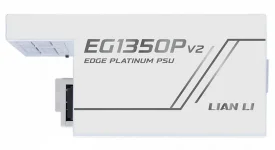
One temperature-sensing 12V-2x6 cable has already shown how thermal protection can shut down an extreme setup before damage gets worse. Monitoring is becoming part of PSU design too, with LIAN LI's EDGE Platinum V2 cable monitoring tracking connector temperature on its 1,350W configuration. Temperature data is useful, but it complements proper seating, correct cables, and sensible routing rather than replacing them.
The practical answer to what the 12V-2x6 connector changes is therefore less dramatic than the new name suggests. The cable plug remains physically compatible, while the GPU-side and optional PSU-side PCB headers use power contacts that engage earlier and sense contacts that engage later.
A 12V-2x6 connector cable can still look almost identical to an older 12VHPWR cable. Builders should care more about the socket revision, the PSU maker's cable compatibility, and whether the plug is fully seated than about the label printed on the sleeving.
The important change is inside the socket
The 12V-2x6 connector specification keeps twelve main power contacts and four smaller sense contacts. PCIe CEM 5.1 changed the header geometry so the main contacts mate before the sense contacts, reducing the chance that a shallow connection is treated like a properly seated one.A 12V-2x6 PCIe 5.1 connector also adds a zero-power state when both relevant sense lines remain open. In practical terms, the card should not enter a normal high-power state when the sense connection indicates that the plug has not reached the intended position.
This is why 12V-2x6 is compatible with 12VHPWR cables even though the connector standard changed. The plug shell and cable-side contact arrangement stayed compatible, while markings such as H++ identify newer hardware built around the revised header definition. A cable marked H+ is not automatically unusable with an H++ socket.
Reports of melted 12-pin connectors on an RTX 5090 also show why the revision should not be treated as permission to ignore installation quality. Uneven contact, contamination, damaged terminals, or a plug that works loose can still turn high current into concentrated heat.
PSU compatibility is more nuanced than the label
The practical meaning of an ATX 3.1 power supply is not simply that it must have a native 16-pin socket on its modular panel. Intel's design guide places the 12V-2x6 PCB header optionally within a modular PSU, so a vendor can instead use PSU-side 8-pin sockets with a properly designed cable to the GPU.Newer ATX 3.1 1200W power supplies show both approaches in the market, including direct 12V-2x6 outputs and dedicated high-power cables. A PSU with a native 12V-2x6 connector can make cable routing cleaner, but native does not automatically mean electrically better than a correct vendor-supplied 2x8-pin to 16-pin cable.
The ATX 3.1 power supply vs 3.0 comparison is broader than one socket shape because the standards also differ in load-response requirements and connector definitions. Never assume a modular GPU cable from one PSU family is safe on another just because both ends physically fit. PSU-side modular pinouts are not universally interchangeable.
A repeated melted 16-pin adapter incident is also a useful reminder that an adapter adds more mating points and more variables. It does not mean every adapter is unsafe, but a direct cable approved for the exact PSU removes unnecessary junctions when that option exists.
Seating, cable bend, and temperature still matter
Anyone learning how to connect a 12VHPWR cable or its 12V-2x6 successor should treat full insertion as the first check, then inspect the route before closing the case. The latch should be engaged, the plug should sit square, and the side panel should not force an immediate hard turn at the connector.Case dimensions can hide the real 12VHPWR cable bend problem because GPU width figures rarely include the space needed by the plug, strain relief, and first section of cable. The same GPU cable clearance problem exists even with lower-power 8-pin cards, and the packaging pressure becomes more important with a stiff 16-pin lead. A closed side panel should not become a clamp, since even a fully latched plug can be stressed when the cable is forced sideways immediately after leaving the connector.
Current 12V-2x6 connector melting reports are a reason to keep checking the connection after transport, major maintenance, or cable rerouting rather than assuming the newer header makes inspection obsolete. A rising 12VHPWR cable temperature can be a warning sign when a monitoring system can actually measure it near the connector.
One temperature-sensing 12V-2x6 cable has already shown how thermal protection can shut down an extreme setup before damage gets worse. Monitoring is becoming part of PSU design too, with LIAN LI's EDGE Platinum V2 cable monitoring tracking connector temperature on its 1,350W configuration. Temperature data is useful, but it complements proper seating, correct cables, and sensible routing rather than replacing them.