A ground loop can put 50 or 60 Hz hum into an audio system even when every individual device is working normally. The ugly part is that buying a cleaner-looking power box may change absolutely nothing. A conditioner only helps when the noise is entering through a path the conditioner can actually affect.
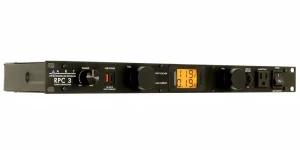
You can see the trap in a rack power conditioner with filtering and surge protection. Filtering can reduce conducted EMI or RFI on the AC line, while surge circuitry handles short voltage transients. Neither feature automatically breaks a loop created by two grounded devices joined again through an audio cable.
Hum also gets used as a catch-all word. A low tone from the speakers, a raspy buzz that changes when a laptop charger is connected, and a transformer vibrating inside an amplifier may sound related at first. They can come from completely different electrical paths, so diagnosis beats shopping.
Balanced audio helps, but not because XLR cables possess some magic immunity to bad power. A balanced input rejects voltage appearing similarly on both signal conductors, and its real-world performance depends heavily on impedance balance and the input circuit itself. Balanced-input engineering for common-mode rejection gets into why two interfaces using the same connector can reject hum very differently.
Equipment design matters too. A shield connected badly inside a device can let shield current contaminate the audio reference, the old problem commonly associated with pin 1 on XLR gear. Swapping a power strip cannot redesign the input stage inside a preamp, monitor, interface, or processor.
Unbalanced connections are less forgiving because the shield commonly doubles as the signal reference. RCA, TS, consumer gear, computers, and mixed balanced-unbalanced setups can therefore expose a noise problem that remains quiet in an all-balanced chain. One cable change can reveal more than a rack full of accessories.
Laptop rigs give you another easy test. Temporarily run the computer from its battery and unplug the charger from the wall. If the buzz disappears, the charger or the grounding path created around it deserves attention, although the result does not prove the charger itself is defective.
Move signal cables away from power bricks, transformers, dimmers, and long parallel runs of mains cable. Magnetic coupling into a high-gain or unbalanced path is not the same fault as dirty AC arriving through the power cord. A conditioner sitting at the wall cannot stop a guitar cable from passing beside a noisy transformer six inches later.
Never defeat protective earth to make the room quiet. Removing a grounding pin can appear to kill a loop because it removes one path, but it also removes a safety connection designed to carry fault current. A ground-lift switch on a properly designed DI or isolator works on the audio connection instead, which is a very different move.
Mechanical hum needs its own diagnosis. If the speakers are quiet but an amplifier or rack unit itself is humming, you may be hearing transformer vibration rather than noise in the audio signal. Mains waveform distortion or DC on the supply can aggravate some transformers, but an ordinary filtered conditioner is not automatically a DC blocker or a cure for loose or vibrating hardware.
The practical split is pretty clean. Speaker hum that changes as audio connections are added points you toward grounding, shielding, interface design, or isolation. Noise that tracks an electrical appliance or switching device may justify mains filtering, while sound coming straight from a chassis belongs in a different troubleshooting bucket entirely.
You can see the trap in a rack power conditioner with filtering and surge protection. Filtering can reduce conducted EMI or RFI on the AC line, while surge circuitry handles short voltage transients. Neither feature automatically breaks a loop created by two grounded devices joined again through an audio cable.
Hum also gets used as a catch-all word. A low tone from the speakers, a raspy buzz that changes when a laptop charger is connected, and a transformer vibrating inside an amplifier may sound related at first. They can come from completely different electrical paths, so diagnosis beats shopping.
Hum starts where the current takes the wrong path
A classic ground loop appears when interconnected equipment has more than one ground path between devices. Small voltage differences can drive current through cable shields or other shared conductors, and poor interface design can turn some of that current into audible noise. Mains filtering upstream does not remove the extra connection that created the loop.Balanced audio helps, but not because XLR cables possess some magic immunity to bad power. A balanced input rejects voltage appearing similarly on both signal conductors, and its real-world performance depends heavily on impedance balance and the input circuit itself. Balanced-input engineering for common-mode rejection gets into why two interfaces using the same connector can reject hum very differently.
Equipment design matters too. A shield connected badly inside a device can let shield current contaminate the audio reference, the old problem commonly associated with pin 1 on XLR gear. Swapping a power strip cannot redesign the input stage inside a preamp, monitor, interface, or processor.
Unbalanced connections are less forgiving because the shield commonly doubles as the signal reference. RCA, TS, consumer gear, computers, and mixed balanced-unbalanced setups can therefore expose a noise problem that remains quiet in an all-balanced chain. One cable change can reveal more than a rack full of accessories.
Simple disconnect tests beat guessing
Start with where the noise is coming from. If it is in the speakers, mute or disconnect sources and rebuild the chain one device at a time. When the hum returns after one connection is restored, you have found a useful boundary around the problem instead of blindly replacing everything.Laptop rigs give you another easy test. Temporarily run the computer from its battery and unplug the charger from the wall. If the buzz disappears, the charger or the grounding path created around it deserves attention, although the result does not prove the charger itself is defective.
Move signal cables away from power bricks, transformers, dimmers, and long parallel runs of mains cable. Magnetic coupling into a high-gain or unbalanced path is not the same fault as dirty AC arriving through the power cord. A conditioner sitting at the wall cannot stop a guitar cable from passing beside a noisy transformer six inches later.
Never defeat protective earth to make the room quiet. Removing a grounding pin can appear to kill a loop because it removes one path, but it also removes a safety connection designed to carry fault current. A ground-lift switch on a properly designed DI or isolator works on the audio connection instead, which is a very different move.
Some hum really can involve the incoming mains
A conditioner becomes relevant when interference is actually conducted through the AC supply. Switching supplies, lighting controls, motors, and other loads can put high-frequency junk onto shared wiring, and a properly designed EMI or RFI filter may reduce what reaches connected equipment. This is the case where filtering earns its keep.Mechanical hum needs its own diagnosis. If the speakers are quiet but an amplifier or rack unit itself is humming, you may be hearing transformer vibration rather than noise in the audio signal. Mains waveform distortion or DC on the supply can aggravate some transformers, but an ordinary filtered conditioner is not automatically a DC blocker or a cure for loose or vibrating hardware.
The practical split is pretty clean. Speaker hum that changes as audio connections are added points you toward grounding, shielding, interface design, or isolation. Noise that tracks an electrical appliance or switching device may justify mains filtering, while sound coming straight from a chassis belongs in a different troubleshooting bucket entirely.