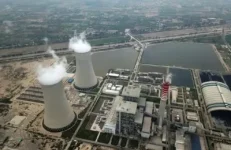
Pakistan faces mounting financial pressure from the China-Pakistan Economic Corridor, which has generated $9.5 billion in debt rather than expected economic benefits. The infrastructure initiative encountered numerous setbacks and failed to meet projected outcomes. Energy and transportation projects experienced significant delays while costs spiraled beyond original estimates. Foreign currency dependencies within CPEC agreements conflicted with Pakistan's domestic economic policies.
The nation currently carries $7.5 billion in power plant obligations plus $2 billion owed to Chinese energy companies through unpaid bills. Political disputes between the Pakistan Muslim League and Pakistan Tehreek-e-Insaf parties disrupted project continuity when governments changed. Security threats from the Balochistan Liberation Army and Tehreek-e-Taliban Pakistan created additional complications. Armed groups conducted 14 attacks between 2021 and 2024, resulting in 20 Chinese fatalities and 34 injuries. Pakistan's inability to develop export-driven industries has trapped the country in cycles of borrowing to service existing loans.
The nation currently carries $7.5 billion in power plant obligations plus $2 billion owed to Chinese energy companies through unpaid bills. Political disputes between the Pakistan Muslim League and Pakistan Tehreek-e-Insaf parties disrupted project continuity when governments changed. Security threats from the Balochistan Liberation Army and Tehreek-e-Taliban Pakistan created additional complications. Armed groups conducted 14 attacks between 2021 and 2024, resulting in 20 Chinese fatalities and 34 injuries. Pakistan's inability to develop export-driven industries has trapped the country in cycles of borrowing to service existing loans.