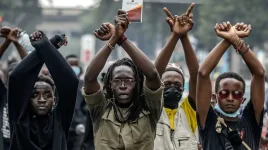
According to a report from Amnesty International, Kenyan authorities employed a network of paid trolls to threaten and intimidate young anti-government protesters. The human rights organization stated that government agencies used surveillance and disinformation to target the organizers of mass demonstrations that occurred throughout 2024 and 2025.
The report detailed that young women and LGBT+ activists faced disproportionate targeting, including misogynistic abuse and AI-generated pornographic images. One activist interviewed described receiving specific threats against their child, which forced them to change the child's school. Amnesty's research included testimony from a man who claimed his team was paid substantial daily sums to amplify government messaging and drown out protest hashtags on social media.
In response to the findings, Kenya’s interior minister stated that the government does not sanction harassment or violence against citizens, adding that any officer implicated in unlawful conduct would be subject to investigation. The protests, which were largely mobilized by Gen Z activists on social media, addressed issues including proposed tax increases and corruption. Amnesty International stated that its research proved these suppression campaigns were driven by state-sponsored actors.
The report detailed that young women and LGBT+ activists faced disproportionate targeting, including misogynistic abuse and AI-generated pornographic images. One activist interviewed described receiving specific threats against their child, which forced them to change the child's school. Amnesty's research included testimony from a man who claimed his team was paid substantial daily sums to amplify government messaging and drown out protest hashtags on social media.
In response to the findings, Kenya’s interior minister stated that the government does not sanction harassment or violence against citizens, adding that any officer implicated in unlawful conduct would be subject to investigation. The protests, which were largely mobilized by Gen Z activists on social media, addressed issues including proposed tax increases and corruption. Amnesty International stated that its research proved these suppression campaigns were driven by state-sponsored actors.