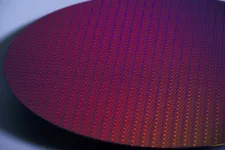
Some analyst thinks Apple might tap Intel's 18A-P manufacturing process for entry-level MacBook and iPad chips after early testing apparently went better than expected. Ming-Chi Kuo claims the tech giant grabbed advanced development kits that lined up with internal benchmarks, and they're waiting on updated versions before committing to production runs, potentially starting in late 2027.
The process uses 3D chip stacking tech with sub-5-micron pitch bonding that fits Apple's obsession with power efficiency across different voltage ranges. Intel could ship somewhere between 15 and 20 million units if this partnership actually happens, which would be a massive win for its struggling foundry business.
Apple supposedly signed an exclusive agreement around the node, which tracks with their push for domestic supply chains, even though TSMC still handles most of their chip orders. Everything depends on how later development stages play out, though.
The process uses 3D chip stacking tech with sub-5-micron pitch bonding that fits Apple's obsession with power efficiency across different voltage ranges. Intel could ship somewhere between 15 and 20 million units if this partnership actually happens, which would be a massive win for its struggling foundry business.
Apple supposedly signed an exclusive agreement around the node, which tracks with their push for domestic supply chains, even though TSMC still handles most of their chip orders. Everything depends on how later development stages play out, though.