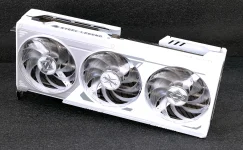
ASRock has a new firmware update controversy involving its Radeon RX 7900 XT and RX 7900 XTX graphics cards. Reports point to ASRVBFlash 1.0.6 as a fresh release after some users said an earlier update left their GPUs unable to boot. Whether the new tool fixes those failures remains unclear.
Here's the part worth noting. ASRVBFlash handles the flashing process, but it isn't the actual graphics card firmware. Each board needs a matching VBIOS file. A newer utility might improve how updates work, yet that alone doesn't mean the faulty firmware issue has been resolved.
Some affected PC users described a fairly nasty problem. Their systems failed to pass POST with the graphics card installed, then started normally once they took it out. Those accounts suggest a GPU startup issue, but ASRock hasn't confirmed the cause or how many cards were affected.
The reported 1.0.6 package appeared after version 1.0.5. Yet ASRock's support listings still showed the older tool for several affected models when checked. That leaves a fair bit of doubt about where the newer download sits and which cards it supports.
There are a few possible reasons for that gap. The product pages may need an update, or ASRock could have placed the file elsewhere. Either way, third-party reports aren't enough to confirm that a download is safe for a given board.
For users with working GPUs, the sensible move is to avoid flashing anything without a clear reason. A graphics driver update is one thing, but a bad VBIOS flash can leave a card unable to start. Matching the exact model and hardware revision matters here.
Anyone dealing with a failed card should check ASRock's official support and warranty options. Removing a GPU may help with basic diagnosis, but only if the user can handle the hardware safely. Flashing firmware from another model is a bad idea, and not every card has a backup BIOS switch.
The main unknown is what ASRVBFlash 1.0.6 actually changes. Until ASRock explains its purpose, confirms the affected hardware, and provides clear recovery steps, there's no solid basis to call this a complete fix.