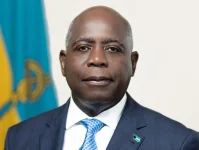
The Bahamas entered a framework partnership with China for developing a specialty medical facility in western New Providence valued at approximately $300 million. Prime Minister Philip Davis attended the Friday ceremony where officials formalized the healthcare infrastructure agreement. The project represents strengthened diplomatic ties between Nassau and Beijing through continued collaboration efforts. Davis emphasized how the partnership demonstrates mutual respect and shared developmental goals between both nations. The arrangement extends the countries' longstanding relationship built on cooperative principles.
Medical services at the new facility will encompass neonatal intensive care, same-day surgical procedures, and diagnostic imaging capabilities. The hospital will provide molecular medicine services alongside educational programs for medical training. Additional components feature blood banking operations, laboratory services, and pathology departments with morgue facilities. Construction teams anticipate completing the project within 30 to 36 months using financing arrangements. The China Export-Import Bank approved a concessional loan spanning 20 years for the development.
Davis highlighted persistent healthcare challenges facing Bahamian citizens throughout the archipelago. Extended waiting periods and overcrowded medical facilities have created barriers to adequate patient care. Outdated infrastructure limits healthcare access particularly for residents on outer islands. Medical professionals work under difficult conditions that compromise service delivery standards. The Prime Minister rejected these circumstances as acceptable healthcare benchmarks for the nation.
Chinese partnership efforts have previously supported Bahamian infrastructure development, educational initiatives, and cultural programs. Davis noted that small nations maintain significant voices in international relationships regardless of territorial size. China has consistently demonstrated understanding and good faith engagement with Bahamian priorities. The hospital project will address population-specific healthcare needs through modern infrastructure design. This collaboration creates opportunities for improved medical service delivery across the country.
Medical services at the new facility will encompass neonatal intensive care, same-day surgical procedures, and diagnostic imaging capabilities. The hospital will provide molecular medicine services alongside educational programs for medical training. Additional components feature blood banking operations, laboratory services, and pathology departments with morgue facilities. Construction teams anticipate completing the project within 30 to 36 months using financing arrangements. The China Export-Import Bank approved a concessional loan spanning 20 years for the development.
Davis highlighted persistent healthcare challenges facing Bahamian citizens throughout the archipelago. Extended waiting periods and overcrowded medical facilities have created barriers to adequate patient care. Outdated infrastructure limits healthcare access particularly for residents on outer islands. Medical professionals work under difficult conditions that compromise service delivery standards. The Prime Minister rejected these circumstances as acceptable healthcare benchmarks for the nation.
Chinese partnership efforts have previously supported Bahamian infrastructure development, educational initiatives, and cultural programs. Davis noted that small nations maintain significant voices in international relationships regardless of territorial size. China has consistently demonstrated understanding and good faith engagement with Bahamian priorities. The hospital project will address population-specific healthcare needs through modern infrastructure design. This collaboration creates opportunities for improved medical service delivery across the country.