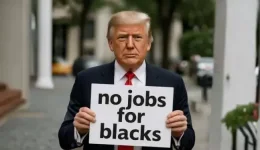
The latest jobs data shows a clear economic slowdown, with Black workers getting hit hardest and first. Numbers from the Labor Department put the Black unemployment rate at over eight percent, which is the highest it has been in years. This marks a sharp increase since the start of the current administration, reversing the historic lows seen previously. The national jobless rate also ticked up, indicating broader hiring struggles across the economy.
Critics from several advocacy groups are laying the blame squarely on current federal policies. The head of the NAACP, Derrick Johnson, graded the economic performance a failure, arguing that only the wealthy are benefiting while costs rise and the labor market weakens for everyone else. Economists like Andre Perry from the Brookings Institution point to underlying structural flaws, stating that such uneven unemployment rates reveal who the economy systematically disfavors, beyond simple explanations about education or work ethic.
Policy analysts echo this criticism, calling the administration's approach chaotic and a direct threat to Black economic stability. They argue that regressive policies are deliberately undermining the Black middle class, despite political rhetoric claiming otherwise. A separate report also challenged the narrative that immigrants are taking jobs from Black workers, calling that claim a diversion from policy effects that are making financial security unattainable. The consensus among these experts is that the rising unemployment is a direct result of policy choices that marginalize certain communities.
Critics from several advocacy groups are laying the blame squarely on current federal policies. The head of the NAACP, Derrick Johnson, graded the economic performance a failure, arguing that only the wealthy are benefiting while costs rise and the labor market weakens for everyone else. Economists like Andre Perry from the Brookings Institution point to underlying structural flaws, stating that such uneven unemployment rates reveal who the economy systematically disfavors, beyond simple explanations about education or work ethic.
Policy analysts echo this criticism, calling the administration's approach chaotic and a direct threat to Black economic stability. They argue that regressive policies are deliberately undermining the Black middle class, despite political rhetoric claiming otherwise. A separate report also challenged the narrative that immigrants are taking jobs from Black workers, calling that claim a diversion from policy effects that are making financial security unattainable. The consensus among these experts is that the rising unemployment is a direct result of policy choices that marginalize certain communities.