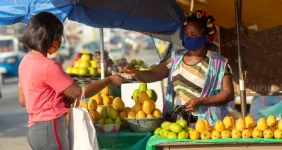
Street vendors keep Blantyre's economy running as they sell fruit and clothing throughout Malawi's business center. Women make up most of these traders who support their families through small sales. More than 80 percent of people depend on informal work for money. Police and city workers often arrest these vendors and take away their products. Old laws from colonial times still control how officials treat street sellers.
City rules force traders into crowded markets that cost more money than most can pay. Vendors who cannot afford market fees risk losing everything when authorities seize their goods. Many buy products using borrowed money and face family disasters when police take their items. Children leave school and families skip meals when traders lose their merchandise. Weekly fines often cost more than vendors earn during seven days of work.
Female traders suffer sexual attacks and violence from law enforcement officers. Many women fear reporting these crimes to the same people who hurt them. Some officials demand sexual favors to avoid arrest or return confiscated goods. Most traders lack knowledge about their legal rights and protections. Courts often dismiss complaints or punish vendors who seek help.
Vendors want city leaders to create special selling streets and cheaper market spaces. They seek education about their rights and fair treatment from authorities. Traders call for better organization among themselves to gain more power. Legal reforms must combine with economic support and infrastructure improvements. Only complete changes will help informal workers move from struggling to succeeding.
City rules force traders into crowded markets that cost more money than most can pay. Vendors who cannot afford market fees risk losing everything when authorities seize their goods. Many buy products using borrowed money and face family disasters when police take their items. Children leave school and families skip meals when traders lose their merchandise. Weekly fines often cost more than vendors earn during seven days of work.
Female traders suffer sexual attacks and violence from law enforcement officers. Many women fear reporting these crimes to the same people who hurt them. Some officials demand sexual favors to avoid arrest or return confiscated goods. Most traders lack knowledge about their legal rights and protections. Courts often dismiss complaints or punish vendors who seek help.
Vendors want city leaders to create special selling streets and cheaper market spaces. They seek education about their rights and fair treatment from authorities. Traders call for better organization among themselves to gain more power. Legal reforms must combine with economic support and infrastructure improvements. Only complete changes will help informal workers move from struggling to succeeding.