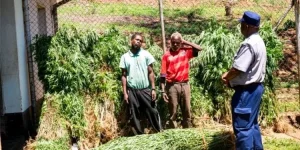
Two Zimbabwean men face arrest over 770 dagga plants in Chimanimani, and the case has sparked a debate over weed laws. Police caught Lovemore Zambasira, 73, and Liberty Maunganidze, 38, in Ruwaka Village, where the pair had allegedly been raising cannabis.
Officers say the plants sat among rows of corn. They also seized dagga that had been dried and made ready for use. Both men face claims of illegal growing, though the case has drawn a fair bit of public pushback.
Tafadzwa Maziwisa thinks the farmers deserve permits rather than jail cells. Richard Harvey points to the plant's long history in local life, while Ba Kim wants the crop turned into a legal trade that can bring in cash.
Nyasha Malunga takes issue with the dangerous drug label. Jason Moyo also sees the activity as farm work, not a reason for an arrest. Both views reflect a wider call to rethink how Zimbabwe treats cannabis growers.
KD Chikungwa wants the pair freed and sees the case as a matter of making a living. Gift Dosipani, meanwhile, questions why mbanje counts as a drug at all, given his view that it is merely a plant.
Then there's the money issue. C NK NY claims a grower's permit costs $50,000, a price that could put legal production well out of reach for most small farmers. That figure remains a claim from the public reaction, not a verified fee.
For some, the debate is about public safety and the law. For others, it comes back to whether people should face criminal charges for raising a crop they believe could support their families.