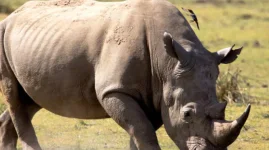
Dr Rodgers Lubilo from the Southern Africa Community Leaders Network says CITES basically ghosted the entire region after voting down Namibia's pitch to sell limited amounts of ivory and rhino horn at their meeting in Uzbekistan. Rural communities that actually live alongside these animals and deal with the costs are getting zero incentive to keep protecting wildlife, and he thinks the whole conservation setup is about to implode.
The rejection came even though scientists backed the proposal, and China plus Japan were down to buy. Lubilo said donor money from places like the US keeps disappearing without warning, which makes it impossible to fund round-the-clock conservation work. He warned that villages will probably start converting wildlife zones into farmland if the animals can't generate income.
He wants Southern Africa to explore the domestic rhino horn trade, where tourists consume the product locally instead of taking it home, arguing that CITES picked poachers over legitimate African business and turned the region into unpaid zookeepers for species they can't profit from.
The rejection came even though scientists backed the proposal, and China plus Japan were down to buy. Lubilo said donor money from places like the US keeps disappearing without warning, which makes it impossible to fund round-the-clock conservation work. He warned that villages will probably start converting wildlife zones into farmland if the animals can't generate income.
He wants Southern Africa to explore the domestic rhino horn trade, where tourists consume the product locally instead of taking it home, arguing that CITES picked poachers over legitimate African business and turned the region into unpaid zookeepers for species they can't profit from.