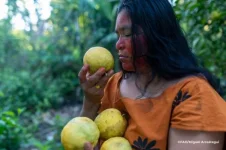
Climate shocks wrecked food supplies for 72 million people across 18 countries last year, with disasters like Hurricane Mellisa hitting Jamaica, Haiti, and Cuba particularly hard. Agricultural output has nosedived, with global cereal production down 2% to 5% over fifty years and Latin American maize yields dropping around 5%. The planet basically lost seven years of farming progress since 1961, according to productivity metrics showing a 21% decline.
Only 4% of climate cash went to agriculture, livestock, fisheries, and forestry sectors despite the sector getting absolutely cooked by rising temperatures and extreme weather. COP30 in Brazil is pushing the Tropical Forests Forever Fund, which aims to mobilize $125 billion total for conservation while supporting agroforestry projects in the Amazon. Fifty countries backed Brazil's integrated fire management initiative at the conference, signaling potential momentum for redirecting resources toward rural communities and sustainable food production systems that could actually survive future climate chaos.
Only 4% of climate cash went to agriculture, livestock, fisheries, and forestry sectors despite the sector getting absolutely cooked by rising temperatures and extreme weather. COP30 in Brazil is pushing the Tropical Forests Forever Fund, which aims to mobilize $125 billion total for conservation while supporting agroforestry projects in the Amazon. Fifty countries backed Brazil's integrated fire management initiative at the conference, signaling potential momentum for redirecting resources toward rural communities and sustainable food production systems that could actually survive future climate chaos.