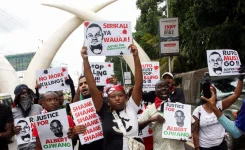
Kenya's media regulator banned live television and radio coverage of nationwide protests Wednesday. The Communications Authority ordered all broadcasters to halt real-time reporting of demonstrations marking one year since deadly anti-government rallies. Director-General David Mugonyi warned stations could face punishment for defying the directive. Young protesters gathered across at least 20 counties to remember victims from last year's clashes with police. The authority claimed live broadcasts violated constitutional rules about public safety and order.
Demonstrations took place in major cities such as Nairobi, Mombasa, Nakuru and Kisumu on June 25. Mugonyi cited specific constitutional articles and communications laws as justification for the ban. The regulator threatened regulatory action against any station that continued showing live protest footage. Media companies received the order as thousands of people filled streets across the country. The directive aimed to limit public access to real-time information about unfolding events.
The Kenya Editors Guild strongly opposed the media blackout order. The journalism organization called the ban a serious attack on press freedom and constitutional rights. Guild leaders said the regulator misused constitutional provisions meant to protect free speech. They argued that responsible live reporting serves the public interest rather than threatening safety. The editors demanded immediate withdrawal of the controversial directive.
The guild pointed to a 2023 High Court ruling that prevented the authority from interfering with live broadcasts. Legal experts said the regulator violated existing court orders with its latest action. Media organizations received calls to pursue legal challenges against the government restriction. Parliament and courts face pressure to investigate the authority's actions. The editors urged stations to continue responsible reporting despite official threats.
Demonstrations took place in major cities such as Nairobi, Mombasa, Nakuru and Kisumu on June 25. Mugonyi cited specific constitutional articles and communications laws as justification for the ban. The regulator threatened regulatory action against any station that continued showing live protest footage. Media companies received the order as thousands of people filled streets across the country. The directive aimed to limit public access to real-time information about unfolding events.
The Kenya Editors Guild strongly opposed the media blackout order. The journalism organization called the ban a serious attack on press freedom and constitutional rights. Guild leaders said the regulator misused constitutional provisions meant to protect free speech. They argued that responsible live reporting serves the public interest rather than threatening safety. The editors demanded immediate withdrawal of the controversial directive.
The guild pointed to a 2023 High Court ruling that prevented the authority from interfering with live broadcasts. Legal experts said the regulator violated existing court orders with its latest action. Media organizations received calls to pursue legal challenges against the government restriction. Parliament and courts face pressure to investigate the authority's actions. The editors urged stations to continue responsible reporting despite official threats.