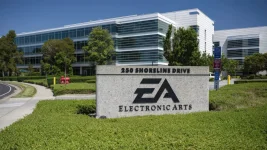
Electronic Arts accepted a $55 billion buyout from a consortium of investors led by Saudi Arabia's Public Investment Fund, Silver Lake, and Affinity Partners. The transaction marks the largest corporate buyout in history and the second-largest gaming industry deal, following Microsoft's acquisition of Activision Blizzard. JPMorgan Chase committed $20 billion in debt financing for the acquisition, representing the largest debt package ever arranged for a buyout.
Financial analysts warn that the debt burden could trigger widespread job cuts at the video game publisher. Bloomberg reported that the interest payments alone may reach hundreds of millions of dollars annually, prompting the company to implement aggressive cost reduction measures. BioWare faces particular risk after Dragon Age: The Veilguard failed to meet sales expectations, leaving fewer than 100 employees at the Canadian studio.
Games analyst Joost van Dreunen noted that PIF already controlled approximately 10 percent of EA shares before the deal. He suggested the fund's strategy involves deploying massive capital to secure market dominance across the gaming sector. Private ownership could shield the company from quarterly earnings pressure, but other consortium members may prioritize different financial objectives.
Financial analysts warn that the debt burden could trigger widespread job cuts at the video game publisher. Bloomberg reported that the interest payments alone may reach hundreds of millions of dollars annually, prompting the company to implement aggressive cost reduction measures. BioWare faces particular risk after Dragon Age: The Veilguard failed to meet sales expectations, leaving fewer than 100 employees at the Canadian studio.
Games analyst Joost van Dreunen noted that PIF already controlled approximately 10 percent of EA shares before the deal. He suggested the fund's strategy involves deploying massive capital to secure market dominance across the gaming sector. Private ownership could shield the company from quarterly earnings pressure, but other consortium members may prioritize different financial objectives.