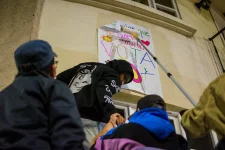
Ecuadorian voters decisively blocked a constitutional change that would have permitted international military installations within their borders, with approximately two-thirds opposing the proposal. President Daniel Noboa had championed the referendum as necessary for obtaining allied support against escalating drug violence.
The outcome undermines Noboa's security strategy and signals public resistance to foreign military involvement. Ecuador has emerged as a critical cocaine corridor from Colombia and Peru, with criminal networks increasingly dominating communities through extortion and violent intimidation. Washington had hoped to regain access to Eloy Alfaro airfield, previously utilized for counter-narcotics missions until 2009.
The rejection leaves Ecuador confronting record homicide rates projected at 50 per 100,000 residents, the region's highest figure, while requiring alternative approaches centered on domestic capacity building and regional coordination.
The outcome undermines Noboa's security strategy and signals public resistance to foreign military involvement. Ecuador has emerged as a critical cocaine corridor from Colombia and Peru, with criminal networks increasingly dominating communities through extortion and violent intimidation. Washington had hoped to regain access to Eloy Alfaro airfield, previously utilized for counter-narcotics missions until 2009.
The rejection leaves Ecuador confronting record homicide rates projected at 50 per 100,000 residents, the region's highest figure, while requiring alternative approaches centered on domestic capacity building and regional coordination.