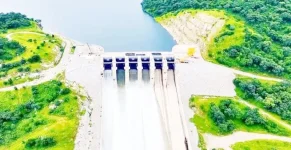
Ethiopia completed Africa's largest hydroelectric facility when Prime Minister Abiy Ahmed opened the Grand Ethiopian Renaissance Dam on Monday, Sept. 9, 2025. The 145-meter structure will produce 5,100 megawatts when operating at maximum output, effectively doubling the nation's electrical generation and reaching roughly 60 percent of citizens who lack power access.
The $5 billion project drew financing from government resources, bonds and donations from Ethiopian citizens living domestically and abroad. Observers note Uganda could learn from this approach, as insufficient capital often delays power infrastructure projects. Ethiopia earned $118 million from electricity exports during 2024, surpassing Uganda's $48.8 million, and officials plan transmission lines across the Red Sea to Saudi Arabia.
Analyst Yusuf Serunkuma and other experts contend Uganda should maintain domestic control over energy systems after the government recently reassumed electricity distribution through Uganda Electricity Distribution Company Limited. Ethiopia's expanded capacity threatens Uganda's position as a regional supplier to South Sudan, Rwanda and the Democratic Republic of the Congo, who may redirect purchases. Policy experts argue Uganda must increase generation and export infrastructure to preserve its influence in mediating regional disputes.
The $5 billion project drew financing from government resources, bonds and donations from Ethiopian citizens living domestically and abroad. Observers note Uganda could learn from this approach, as insufficient capital often delays power infrastructure projects. Ethiopia earned $118 million from electricity exports during 2024, surpassing Uganda's $48.8 million, and officials plan transmission lines across the Red Sea to Saudi Arabia.
Analyst Yusuf Serunkuma and other experts contend Uganda should maintain domestic control over energy systems after the government recently reassumed electricity distribution through Uganda Electricity Distribution Company Limited. Ethiopia's expanded capacity threatens Uganda's position as a regional supplier to South Sudan, Rwanda and the Democratic Republic of the Congo, who may redirect purchases. Policy experts argue Uganda must increase generation and export infrastructure to preserve its influence in mediating regional disputes.