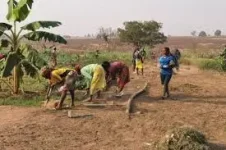
The Gates Foundation pledged $1.4 billion over four years to strengthen agricultural resilience among smallholder farmers facing climate challenges in sub-Saharan Africa and South Asia. The commitment, revealed during COP30 sessions in Belem, Brazil, addresses a funding disparity where less than 1 percent of global climate financing reaches threatened food production systems despite farmers in these regions producing one-third of worldwide food supplies.
Bill Gates emphasized that supporting farmer innovation represents an effective strategy for protecting both human welfare and environmental stability. Foundation CEO Mark Suzman characterized climate adaptation as an economic and moral priority requiring coordinated action from governments and commercial sectors. World Bank analysis suggests properly targeted adaptation investments could increase GDP by up to 15 percentage points in vulnerable nations by 2050, while World Resources Institute projections indicate each dollar spent on adaptation generates more than $10 in social and economic returns within 10 years.
Bill Gates emphasized that supporting farmer innovation represents an effective strategy for protecting both human welfare and environmental stability. Foundation CEO Mark Suzman characterized climate adaptation as an economic and moral priority requiring coordinated action from governments and commercial sectors. World Bank analysis suggests properly targeted adaptation investments could increase GDP by up to 15 percentage points in vulnerable nations by 2050, while World Resources Institute projections indicate each dollar spent on adaptation generates more than $10 in social and economic returns within 10 years.