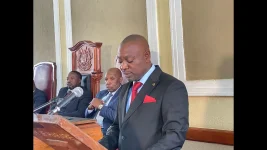
Harare City Council has proposed sharp water tariff hikes in its US$690 million 2026 budget, with increases of 61 percent for high-density suburbs and 188 percent for low-density areas. The council says the changes aim to align charges with the true cost of water production and distribution, citing rising expenses for chemicals, electricity, and aging infrastructure.
Under the plan, households using 0–5 cubic meters of water per month—the lifeline band—will remain subsidized, but those consuming more than 20 cubic meters will face full cost recovery. Rates in high-density areas would rise from US$1.24 to US$2.00 per cubic meter, while residents in low-density areas would see charges increase from US$1.70 to US$4.90 for the same amount.
Finance Committee Chairperson Councilor Costa Mande said the structure protects low-consumption households while ensuring industrial and commercial users pay their fair share. However, the proposal drew immediate backlash. Councilor Denford Ngadziore accused the committee of violating a prior agreement not to raise tariffs this year, noting residents already pay a water infrastructure levy.
The Combined Harare Residents Association called the increases “unacceptable” and “unjustified,” arguing that water production costs only about US$0.70 per cubic meter. Director Reuben Akili said the hikes reflect a lack of transparency and disregard for public input. Residents are now mobilizing to formally oppose the plan during the ongoing 30-day consultation period before the budget is finalized.
Under the plan, households using 0–5 cubic meters of water per month—the lifeline band—will remain subsidized, but those consuming more than 20 cubic meters will face full cost recovery. Rates in high-density areas would rise from US$1.24 to US$2.00 per cubic meter, while residents in low-density areas would see charges increase from US$1.70 to US$4.90 for the same amount.
Finance Committee Chairperson Councilor Costa Mande said the structure protects low-consumption households while ensuring industrial and commercial users pay their fair share. However, the proposal drew immediate backlash. Councilor Denford Ngadziore accused the committee of violating a prior agreement not to raise tariffs this year, noting residents already pay a water infrastructure levy.
The Combined Harare Residents Association called the increases “unacceptable” and “unjustified,” arguing that water production costs only about US$0.70 per cubic meter. Director Reuben Akili said the hikes reflect a lack of transparency and disregard for public input. Residents are now mobilizing to formally oppose the plan during the ongoing 30-day consultation period before the budget is finalized.