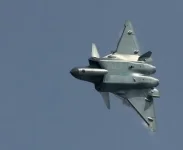
Defense analysts question the effectiveness of China's J-20 stealth fighter despite its impressive appearance. The aircraft features twin engines and internal weapons bays but reveals significant technical limitations. Engine development presents the most serious challenge for Chinese engineers. Early models relied on Russian or modified Chinese engines while the domestic WS-15 faced multiple delays and durability concerns. These power plant issues limit sustained flight performance and increase maintenance requirements during extended operations.
The fighter's stealth capabilities fall short of Western standards due to its larger size and design features. Public demonstrations have provided foreign military forces with valuable intelligence about the aircraft's radar signature. China's sensor technology lags behind American systems in data integration and electronic warfare resistance. Experts conclude the J-20 represents a political statement rather than a battlefield advantage. The aircraft exposes weaknesses within China's aerospace industry and military modernization efforts.
The fighter's stealth capabilities fall short of Western standards due to its larger size and design features. Public demonstrations have provided foreign military forces with valuable intelligence about the aircraft's radar signature. China's sensor technology lags behind American systems in data integration and electronic warfare resistance. Experts conclude the J-20 represents a political statement rather than a battlefield advantage. The aircraft exposes weaknesses within China's aerospace industry and military modernization efforts.