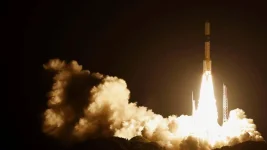
Japan completed the final launch of its H-2A rocket on Sunday. The spacecraft carried a climate monitoring satellite into space from Tanegashima Space Center. Mission controllers celebrated as the satellite separated successfully after 16 minutes of flight. The launch had faced several delays because of electrical system problems. Scientists at the control center hugged and shook hands when the mission succeeded.
The H-2A rocket finished its career with 50 total flights since 2001. Only one mission failed during its entire service record. The rocket achieved a 98 percent success rate over more than two decades. Japan will replace the H-2A with its newer H3 rocket model. The H3 costs about half as much to operate and can carry bigger payloads.
The GOSAT-GW satellite will track greenhouse gases like carbon dioxide and methane. It represents Japan's third satellite designed for climate monitoring. The device will measure sea surface temperatures and rainfall patterns around the world. American weather agencies plan to use data from the new satellite. The information should become available within one year.
Mitsubishi Heavy Industries operated the H-2A program since 2007. Company officials expressed relief after the successful final mission. The rocket helped Japan launch many important spacecraft over the years. These missions sent probes to asteroids and put a lander on the moon. Japan hopes the H3 rocket will make the country more competitive in the global space market.
The H-2A rocket finished its career with 50 total flights since 2001. Only one mission failed during its entire service record. The rocket achieved a 98 percent success rate over more than two decades. Japan will replace the H-2A with its newer H3 rocket model. The H3 costs about half as much to operate and can carry bigger payloads.
The GOSAT-GW satellite will track greenhouse gases like carbon dioxide and methane. It represents Japan's third satellite designed for climate monitoring. The device will measure sea surface temperatures and rainfall patterns around the world. American weather agencies plan to use data from the new satellite. The information should become available within one year.
Mitsubishi Heavy Industries operated the H-2A program since 2007. Company officials expressed relief after the successful final mission. The rocket helped Japan launch many important spacecraft over the years. These missions sent probes to asteroids and put a lander on the moon. Japan hopes the H3 rocket will make the country more competitive in the global space market.