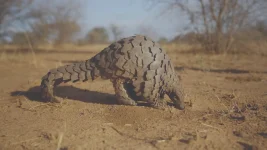
Survival rates for rescued pangolins in Namibia jumped from 40% to over 90% since 2023, but at least 650 have been poached since 2018.
The trafficking numbers are grim
The trafficking numbers are grim
- At least 650 pangolins were poached in Namibia across registered crime cases since 2018.
- Applying an 18% recovery rate puts the real figure closer to 3,600 animals.
- Pangolins have been the world's most trafficked mammals since 2014.
- Asian market demand for scales and meat is the primary driver.
- Kelsey Prediger founded the Pangolin Conservation and Research Foundation.
- PCRF has handled 46 rescued pangolins over the past four years.
- GPS transmitters and structured rehab protocols fueled the survival-rate jump.
- Spatial data from over 60 wild pangolins now guides release decisions.
- Six rangers and four team members once crammed into a two-bedroom apartment.
- Prediger lived out of her car for years, responding to rescues.
- A dedicated rehabilitation and research centre is nearly established.
- Kavango-Zambezi region remains a major poaching hotspot.
- A single pangolin can eat up to 15,000 insects nightly.
- Healthy populations reduce crop loss and boost grass availability.
- PCRF documented 950 species on one study site in three years.
- Prediger tied pangolin protection to the One Health concept.