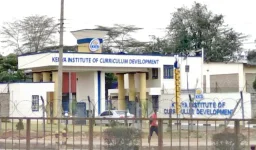
Kenya's school system is getting a total reboot soon. The country is prepping a huge change for its first group of students going through the new Competency-Based Curriculum, who will hit the senior school level in early 2026. This shift, led by the Kenya Institute of Curriculum Development, or KICD, introduces a tracked system for Grades 10 through 12, basically for kids around 15 to 17 years old. Instead of a one-size-fits-all approach, these students will pick a focused track that matches their skills and interests, a major pivot from the old national exam-driven routine. The whole deal is organized by three main pathways: a STEM track for science and tech, another for Social Sciences, and a third covering Arts and Sports Science. Education bigwig Julius Ogamba is the Cabinet Secretary overseeing this rollout.
The selection process works with a mix of mandatory and optional classes. Everyone will take core subjects like English, Kiswahili or Kenyan Sign Language, some form of Mathematics, and Community Service Learning. The math requirement differs by track, with a more intense version for STEM kids and a general one for everyone else. On top of that, each student selects three electives tied to their chosen pathway. A STEM student might grab Biology or Computer Science, while an arts kid could pick music or visual arts, and a social sciences student might choose business studies or geography. But here's the catch: a student's perfect plan might get messed up by their school's actual resources. Not every place will offer every subject combo, forcing some adjustments based on what teachers and facilities are available.
Figuring out which senior school a kid attends comes down to a national placement system. It uses a digital platform to match students, looking at their scores from regular School-Based Assessments and a bigger national test called the Kenya Junior Secondary Education Assessment. The regular classwork counts for forty percent of their placement score, with the big exam making up the rest. The algorithm then sorts them, considering their grades, what pathways they want, and how much room different schools actually have.
Once they're in, the weekly schedule gets pretty packed. The plan calls for forty lessons each week, every one lasting forty minutes. Proponents of the new framework argue this setup allows deeper focus on a student's specialized subjects while keeping core skills sharp, giving them a real jumpstart on career or college prep.
Despite all the official talk about being ready, serious doubts are bubbling up on the ground. Teachers from multiple counties are complaining that training for handling Grade 10 material has been basically nonexistent, leaving instructors feeling totally unprepared. The logistical nightmare of offering these specialized tracks, especially in under-resourced schools, is a giant red flag. Experts watching this unfold worry the rushed prep work could derail the entire transition, putting the promised benefits of the new curriculum at risk before it even properly starts.
The selection process works with a mix of mandatory and optional classes. Everyone will take core subjects like English, Kiswahili or Kenyan Sign Language, some form of Mathematics, and Community Service Learning. The math requirement differs by track, with a more intense version for STEM kids and a general one for everyone else. On top of that, each student selects three electives tied to their chosen pathway. A STEM student might grab Biology or Computer Science, while an arts kid could pick music or visual arts, and a social sciences student might choose business studies or geography. But here's the catch: a student's perfect plan might get messed up by their school's actual resources. Not every place will offer every subject combo, forcing some adjustments based on what teachers and facilities are available.
Figuring out which senior school a kid attends comes down to a national placement system. It uses a digital platform to match students, looking at their scores from regular School-Based Assessments and a bigger national test called the Kenya Junior Secondary Education Assessment. The regular classwork counts for forty percent of their placement score, with the big exam making up the rest. The algorithm then sorts them, considering their grades, what pathways they want, and how much room different schools actually have.
Once they're in, the weekly schedule gets pretty packed. The plan calls for forty lessons each week, every one lasting forty minutes. Proponents of the new framework argue this setup allows deeper focus on a student's specialized subjects while keeping core skills sharp, giving them a real jumpstart on career or college prep.
Despite all the official talk about being ready, serious doubts are bubbling up on the ground. Teachers from multiple counties are complaining that training for handling Grade 10 material has been basically nonexistent, leaving instructors feeling totally unprepared. The logistical nightmare of offering these specialized tracks, especially in under-resourced schools, is a giant red flag. Experts watching this unfold worry the rushed prep work could derail the entire transition, putting the promised benefits of the new curriculum at risk before it even properly starts.