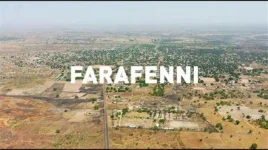
Growing up, Chaku Bantang thrived as a cultural hub and business center. It remains somewhat active today. Back then, businesses belonged not only to Gambians, Senegalese, and Guineans but also to many Mauritanians and Lebanese. I barely knew the Mauritanian shop owners near the market, yet several Lebanese businessmen became familiar faces around town.
Besides the cheerful Michael Keenan (Michel) mentioned earlier, I recall a wealthy businessman named Chofi from my early childhood. His property was next to the Odeon Cinema. He appeared as a short, sturdy man with a round belly who drove a small white car of forgotten make. Everyone in Chaku Bantang called him Boy Jinneh.
The origin of his nickname remains unclear, but people believed his car could travel across water. Rumors suggested whenever Chofi missed the Bamba Tenda ferry, he simply drove into the river and crossed. He must have possessed considerable wealth to afford such a vehicle during that era.
Two houses north of Chofi lived another affluent Lebanese businessman called Aziz. He shared a similar build - short, sturdy, with a large stomach. He traded groundnuts and operated a big depot (secco) behind his yard, between his fence and the first homes of Balanghar Farafenni. During the trading season, Aziz accumulated massive groundnut piles in his depot. We kids often visited with our bamboo trucks, filled them with groundnuts, and hauled them back to our mothers.
Across from Aziz stood the spacious shop and home of Alex Madi. He matched the description of the others - short, sturdy, with an especially large belly. His veranda featured a spot that poured water like a small waterfall during rain. We would strip down and rush there to splash around! We also enjoyed gathering at his shop and chanting, "Alexi Madi! Sa birr bu rey bi!" Sometimes, he ignored us. Other times, he emerged with his walking stick, saying, "Acha! Acha!" sending us running away, still chanting. Occasionally, his loyal watchman, Pa Daramane, chased us instead.
We children knew Pa Daramane well. Whenever he encountered us on the streets, he pulled out his knife and approached us, asking, " Nyoragut? Nyoragut?" (Is it ripe yet?). We replied, "Day date!" (No!) as we scrambled away. Pa Daramane always laughed heartily afterward. His jokes about impromptu street circumcision scared us despite knowing he joked. We took absolutely zero chances! Pa Daramane, originally from Mali (Tilibonka), served Alex Madi faithfully for many years as a kind and friendly elder.
Thinking about Pa Daramane brings to mind Pa Jamano Kura, another Malian elder in Chaku Bantang. Jamano Kura, meaning "New Age" in Bambara, appeared as a short, seemingly fragile old man with bowed legs. His appearance was deceived, as he worked as a famous well-digger in town - a job demanding tremendous energy and physical strength. He dug our family well and many others throughout Chaku Bantang, working with just one assistant. Jamano Kura broke ground with his pickaxe as his helper removed mud from the hole using a bucket.
Large tribal marks adorned both cheeks of Jamano Kura's face, yet his expression remained kind and friendly. He always responded with a smile when we children called out his name as we passed by.
Behind Alex Madi's property stood Dr. Mboob's home. He fathered our older brother Mass Mboob, our peer Musa Mboob, and sister Nguie Mboob. Dr. Mboob walked tall and slim, moving quickly with a permanent smile. His small clinic stood at his compound entrance facing Balanghar Farafenni. My father often took me there when sick or sent me alone to see the doctor. Dr. Mboob always treated patients with kindness, friendliness, and gentleness.
Next to Alex Madi's shop lived another prominent Lebanese businessman known simply as Pa Dackor. He stood medium height with a rough beard and fathered our older brother Hassan Dackor, plus our classmates Bassam and Susan Dackor. Pa Dackor engaged us, children, in conversation whenever we walked past his shop. Hassan and Bassam gained popularity among local boys.
A few shops north stood the business of a Lebanese man called Amet Diab. This sophisticated gentleman dressed smartly and enjoyed walking between his shop and house on the Farafenni-Keur Ayib highway. Amet Diab fathered my secondary school classmates Muna and Maha Diab, along with their younger brothers. One brother, Munir Diab, played football well for the Farafenni teams, as did his brother, whose name escaped me. Both competed during nawetan tournaments at the Farafenni Primary School field by the police station. Amet Diab introduced the first Senfour oven to Chaku Bantang, located at his home.
Right next door lived Dr. Kebba Nyangado, operating his clinic at the same location. Dr. Nyangado appeared short and simply yet impeccably dressed, often wearing a felt hat. His extraordinary kindness and politeness became legendary. He spent afternoons chatting with elders at Pa Sambujang Jagne's gate. Patients flocked to his clinic from both local areas and across the Senegalese border. Dr. Nyangado maintained a close friendship with my father and visited our home regularly. I received treatment at his clinic numerous times.
Dr. Nyangado embodied true humility and gentleness. May Allah bless his soul eternally, along with all departed elders of Chaku Bantang, and preserve those still living among us!
Besides the cheerful Michael Keenan (Michel) mentioned earlier, I recall a wealthy businessman named Chofi from my early childhood. His property was next to the Odeon Cinema. He appeared as a short, sturdy man with a round belly who drove a small white car of forgotten make. Everyone in Chaku Bantang called him Boy Jinneh.
The origin of his nickname remains unclear, but people believed his car could travel across water. Rumors suggested whenever Chofi missed the Bamba Tenda ferry, he simply drove into the river and crossed. He must have possessed considerable wealth to afford such a vehicle during that era.
Two houses north of Chofi lived another affluent Lebanese businessman called Aziz. He shared a similar build - short, sturdy, with a large stomach. He traded groundnuts and operated a big depot (secco) behind his yard, between his fence and the first homes of Balanghar Farafenni. During the trading season, Aziz accumulated massive groundnut piles in his depot. We kids often visited with our bamboo trucks, filled them with groundnuts, and hauled them back to our mothers.
Across from Aziz stood the spacious shop and home of Alex Madi. He matched the description of the others - short, sturdy, with an especially large belly. His veranda featured a spot that poured water like a small waterfall during rain. We would strip down and rush there to splash around! We also enjoyed gathering at his shop and chanting, "Alexi Madi! Sa birr bu rey bi!" Sometimes, he ignored us. Other times, he emerged with his walking stick, saying, "Acha! Acha!" sending us running away, still chanting. Occasionally, his loyal watchman, Pa Daramane, chased us instead.
We children knew Pa Daramane well. Whenever he encountered us on the streets, he pulled out his knife and approached us, asking, " Nyoragut? Nyoragut?" (Is it ripe yet?). We replied, "Day date!" (No!) as we scrambled away. Pa Daramane always laughed heartily afterward. His jokes about impromptu street circumcision scared us despite knowing he joked. We took absolutely zero chances! Pa Daramane, originally from Mali (Tilibonka), served Alex Madi faithfully for many years as a kind and friendly elder.
Thinking about Pa Daramane brings to mind Pa Jamano Kura, another Malian elder in Chaku Bantang. Jamano Kura, meaning "New Age" in Bambara, appeared as a short, seemingly fragile old man with bowed legs. His appearance was deceived, as he worked as a famous well-digger in town - a job demanding tremendous energy and physical strength. He dug our family well and many others throughout Chaku Bantang, working with just one assistant. Jamano Kura broke ground with his pickaxe as his helper removed mud from the hole using a bucket.
Large tribal marks adorned both cheeks of Jamano Kura's face, yet his expression remained kind and friendly. He always responded with a smile when we children called out his name as we passed by.
Behind Alex Madi's property stood Dr. Mboob's home. He fathered our older brother Mass Mboob, our peer Musa Mboob, and sister Nguie Mboob. Dr. Mboob walked tall and slim, moving quickly with a permanent smile. His small clinic stood at his compound entrance facing Balanghar Farafenni. My father often took me there when sick or sent me alone to see the doctor. Dr. Mboob always treated patients with kindness, friendliness, and gentleness.
Next to Alex Madi's shop lived another prominent Lebanese businessman known simply as Pa Dackor. He stood medium height with a rough beard and fathered our older brother Hassan Dackor, plus our classmates Bassam and Susan Dackor. Pa Dackor engaged us, children, in conversation whenever we walked past his shop. Hassan and Bassam gained popularity among local boys.
A few shops north stood the business of a Lebanese man called Amet Diab. This sophisticated gentleman dressed smartly and enjoyed walking between his shop and house on the Farafenni-Keur Ayib highway. Amet Diab fathered my secondary school classmates Muna and Maha Diab, along with their younger brothers. One brother, Munir Diab, played football well for the Farafenni teams, as did his brother, whose name escaped me. Both competed during nawetan tournaments at the Farafenni Primary School field by the police station. Amet Diab introduced the first Senfour oven to Chaku Bantang, located at his home.
Right next door lived Dr. Kebba Nyangado, operating his clinic at the same location. Dr. Nyangado appeared short and simply yet impeccably dressed, often wearing a felt hat. His extraordinary kindness and politeness became legendary. He spent afternoons chatting with elders at Pa Sambujang Jagne's gate. Patients flocked to his clinic from both local areas and across the Senegalese border. Dr. Nyangado maintained a close friendship with my father and visited our home regularly. I received treatment at his clinic numerous times.
Dr. Nyangado embodied true humility and gentleness. May Allah bless his soul eternally, along with all departed elders of Chaku Bantang, and preserve those still living among us!