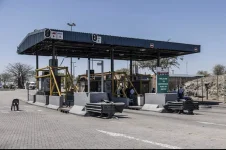
Leon Schreiber wants to shift key asylum services to the Beitbridge border post. South Africa's Home Affairs Minister has put forward three plans that could force certain new applicants to seek help at the Zimbabwe border rather than at an office farther inland.
One plan would shut the Tshwane refugee center in Marabastad, a site long used by people seeking protection. Another would open a facility in Limpopo, right at Beitbridge, where much of the traffic from Zimbabwe and other northern states crosses into South Africa.
But the third plan has the widest reach. People who cross at any of the 12 named northern entry posts would have to file their claims face to face at Beitbridge. The rule would also cover those whose entry point cannot be checked. Kopfontein and Ramatlabama are among the sites on that list.
For Home Affairs, the aim is to deal with claims near the border, not after people move deeper into the country. Officials say a failed claim could lead to refusal of entry at the crossing, while a person granted protection could move on through a formal process.
Cyril Ramaphosa had backed the shift of refugee services toward border sites, with Beitbridge picked as the first location. The Inter-Ministerial Committee on Migration says work on the plan has reached an advanced stage.
There's a legal issue behind all this as well. South Africa's Constitutional Court struck down parts of the Refugees Act that shut people out of the asylum process due to late reports or missing transit visas. A person seeking refuge must still get a chance to make a claim, even after an irregular entry.
That right also comes with a key safeguard. Under the rule of non-refoulement, officials cannot send a person back to a place where they face persecution merely because they lack the right entry papers.
After the ruling, Home Affairs told its reception centers to take claims from people who came forward, regardless of how they entered. Long lines soon became a problem, and some sites struggled with demand. Protests and fears over public safety led the department to pull back one of its intake rules.
A fresh sign-up plan is also on the way. New claimants would give their details online or get help at an office, submit biometric data, and receive proof of their intent to seek asylum, along with an appointment.
That receipt would not grant refugee status or count as a visa. Still, it would guard against detention or removal based only on a lack of valid entry papers while the claim moves through the system.
Meanwhile, border teams have stepped up checks near the Limpopo River. The Border Management Authority uses drones, patrols, and other tools to spot people who cross outside legal entry points. Schreiber has also made visits to Beitbridge to review border work.
People who arrive through other parts of South Africa would still have access to the remaining inland centers for the time being. Those already in the asylum system would carry on under the current process while officials manage any change.
Nothing has been made final yet. The public can send written views on the plans before the comment window shuts. Home Affairs is also working on changes to the law, with the first safe country idea among the measures under review.
If the plans go ahead, Beitbridge would take on a far larger role in handling new asylum claims. Staff levels, the full set of affected entry posts, and practical steps for the change still need more detail before the new setup can take effect.