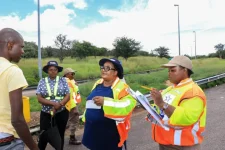
Provincial officials in Limpopo have launched a combined road safety and health campaign for the holiday travel period. Transport MEC Violet Mathye and Health MEC Dieketseng Mashego introduced the Arrive Alive EMS and Health Services initiative at the busy Kranskop Toll Gate on the N1 highway. The program stations advanced ambulances, rescue vehicles, and mobile clinics at key locations to reduce emergency response times following accidents. It also provides free health screenings like blood pressure and glucose checks to drivers, aiming to identify medical conditions that could cause collisions.
The effort emphasizes the critical first hour after a crash, known as the Golden Hour, when rapid medical intervention is most effective. Officials urged motorists to avoid overloading vehicles and to prioritize rest, stating that a brief wellness check could prevent a lifetime of tragedy. This campaign forms part of Limpopo's broader festive season safety strategy, which includes increased traffic enforcement and patrols. The mobile clinics are particularly targeted at rural areas where access to medical care is often limited.
The initiative represents a collaborative approach between transport and health authorities to lower road fatalities during a period of high traffic volume. Success during the holiday season could lead to calls for more permanent installations of similar services throughout the year. The launch underscores the government's push toward a goal of zero roadway deaths, relying on both public awareness and direct service provision to protect travelers.
The effort emphasizes the critical first hour after a crash, known as the Golden Hour, when rapid medical intervention is most effective. Officials urged motorists to avoid overloading vehicles and to prioritize rest, stating that a brief wellness check could prevent a lifetime of tragedy. This campaign forms part of Limpopo's broader festive season safety strategy, which includes increased traffic enforcement and patrols. The mobile clinics are particularly targeted at rural areas where access to medical care is often limited.
The initiative represents a collaborative approach between transport and health authorities to lower road fatalities during a period of high traffic volume. Success during the holiday season could lead to calls for more permanent installations of similar services throughout the year. The launch underscores the government's push toward a goal of zero roadway deaths, relying on both public awareness and direct service provision to protect travelers.