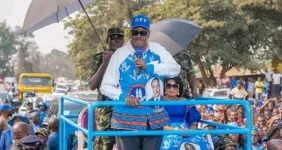
Education policies dominate campaign strategies as Malawi approaches its September 16 electoral contest between Peter Mutharika and President Lazarus Chakwera. Former President Mutharika targets youth voters with comprehensive educational reform proposals. He pledges 100 million kwacha constituency loans for students and expanded higher education funding access. His platform promises student housing construction across public universities and comprehensive digital skills training through enhanced computer access. Mutharika frames these initiatives as immediate solutions for educational advancement.
President Chakwera emphasizes gradual institutional improvements through existing frameworks, such as the Higher Education Students' Loans and Grants Board. His administration continues to provide degree-level financial support, while access to diploma programs remains restricted. Infrastructure projects advance steadily, though accommodation shortages persist at several institutions. Technology integration progresses under current policies; however, equipment limitations still affect student outcomes.
The electoral choice presents distinct approaches to educational development. Mutharika offers rapid implementation of visible benefits appealing to young constituents. Chakwera promotes systematic policy evolution through established regulatory structures. University communities and urban centers will likely determine electoral outcomes based on these contrasting educational visions.
President Chakwera emphasizes gradual institutional improvements through existing frameworks, such as the Higher Education Students' Loans and Grants Board. His administration continues to provide degree-level financial support, while access to diploma programs remains restricted. Infrastructure projects advance steadily, though accommodation shortages persist at several institutions. Technology integration progresses under current policies; however, equipment limitations still affect student outcomes.
The electoral choice presents distinct approaches to educational development. Mutharika offers rapid implementation of visible benefits appealing to young constituents. Chakwera promotes systematic policy evolution through established regulatory structures. University communities and urban centers will likely determine electoral outcomes based on these contrasting educational visions.