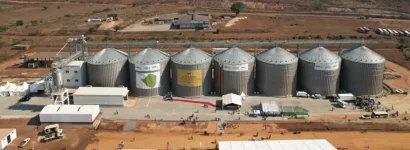
Grain swaps are quietly rewriting survival math, letting farmers trade what grows for what they eat, without turning drought zones into maize graveyards.
What is actually happening
What is actually happening
- Basically, the Grain Swap Programme is being pushed harder nationwide by the Grain Marketing Board.
- The setup lets households trade surplus grain for preferred staples, keeping food access steady across wildly different rainfall zones.
- This thing started in 2022, and it is framed as food security, not market hustle.
- Rainfall behaves very differently across Zimbabwe, and that difference wrecks one-size-fits-all farming.
- Natural regions four and five struggle with maize, while sorghum, pearl millet, and finger millet actually survive.
- The programme nudges farmers to grow what works locally without cutting themselves off from maize.
- One 50kg bag goes out, one 50kg bag comes back, grain for grain.
- The swap is limited to one bag per household per month to keep reselling off the table.
- It is strictly about feeding families, not stacking cash.
- Every GMB depot nationwide is part of the programme.
- Farmers from both maize-heavy zones and small-grain regions are eligible.
- No special regional gatekeeping, just show up with grain.
- GMB operations director Patrick Muzvimbiri says the whole point is choice at the dinner table.
- The thinking is simple: grow crops that match the land, then swap when maize is needed.
- The programme is pitched as social support, not a trading scheme.
- Muzvimbiri links the swap to Emmerson Mnangagwa’s stance that hunger deaths are unacceptable.
- The model backs agro-ecological farming without forcing dietary sacrifices.
- It is running alongside other state efforts like the Presidential Inputs Programme.
- Maize still dominates farmer instincts, but cracks are showing.
- Some areas are clearly leaning harder into small grains than before.
- That change is being watched closely by GMB.
- Communities such as Makambe and Chiredzi delivered record amounts of traditional grains last season.
- Those deliveries are being read as buy-in, not coincidence.
- The message is blunt: fighting ecology usually ends with weak harvests.
- Hesitant growers are being urged to farm with climate reality, not nostalgia.
- GMB is promising continued access to preferred grains through the swap.
- The pitch is agriculture as business, guided by land, not habit.