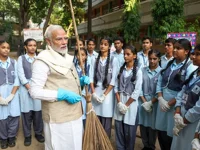
Prime Minister Narendra Modi launched the Swachh Bharat Abhiyan on October 2, 2014, marking the 145th anniversary of Mahatma Gandhi's birth. The initiative addressed decades of sanitation neglect, as approximately 564 million people practiced open defecation before the program began. India achieved 100 percent open defecation-free status within a decade through the construction of over 120 million toilets nationwide. The World Health Organization reports the campaign saved 300,000 children from sanitation-related diseases while reducing diarrhea deaths among those under five years old.
The program enhanced safety and dignity for women who previously faced health risks and danger from outdoor defecation practices. A 2020 study found that 96 percent of rural women expressed satisfaction with their household toilets, citing improved privacy and reduced health concerns. The United Nations recognized the effort as the largest successful sanitation program globally, while UNICEF research found families save 50,000 rupees annually after installing toilets. The 2025 Amarnath Yatra demonstrated sustainable practices by implementing zero-landfill systems and providing 1,600 mobile toilets for pilgrims.
The program enhanced safety and dignity for women who previously faced health risks and danger from outdoor defecation practices. A 2020 study found that 96 percent of rural women expressed satisfaction with their household toilets, citing improved privacy and reduced health concerns. The United Nations recognized the effort as the largest successful sanitation program globally, while UNICEF research found families save 50,000 rupees annually after installing toilets. The 2025 Amarnath Yatra demonstrated sustainable practices by implementing zero-landfill systems and providing 1,600 mobile toilets for pilgrims.