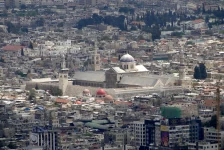
A mosque bombing shows Syria is still breaking. The UN chief, Antonio Guterres, slammed the attack on an Alawite mosque in Homs, calling for justice. The blast at the Ali Bin Abi Talib mosque during prayers killed at least eight and wounded twenty. A group named Ansar al-Sunna, linked to ISIS, said they did it with help from other jihadists. Syrian officials condemned the act and sealed the area for evidence.
Guterres said hitting civilians and places of worship is totally unacceptable, framing it under international laws that ban such acts as potential war crimes. The bombing fits a pattern of hitting religious sites, like a previous church attack in Damascus claimed by the same faction. Syria's government promised to fight terrorism and find those responsible.
The legal and political backdrop makes this even more grim. Syria is obligated to protect minority groups and religious freedom. This violence comes after the fall of the Assad regime, with new authorities failing to stop revenge cycles against communities like the Alawites. The attack directly targets a minority group in a country struggling with security and sectarian tension.
Guterres said hitting civilians and places of worship is totally unacceptable, framing it under international laws that ban such acts as potential war crimes. The bombing fits a pattern of hitting religious sites, like a previous church attack in Damascus claimed by the same faction. Syria's government promised to fight terrorism and find those responsible.
The legal and political backdrop makes this even more grim. Syria is obligated to protect minority groups and religious freedom. This violence comes after the fall of the Assad regime, with new authorities failing to stop revenge cycles against communities like the Alawites. The attack directly targets a minority group in a country struggling with security and sectarian tension.