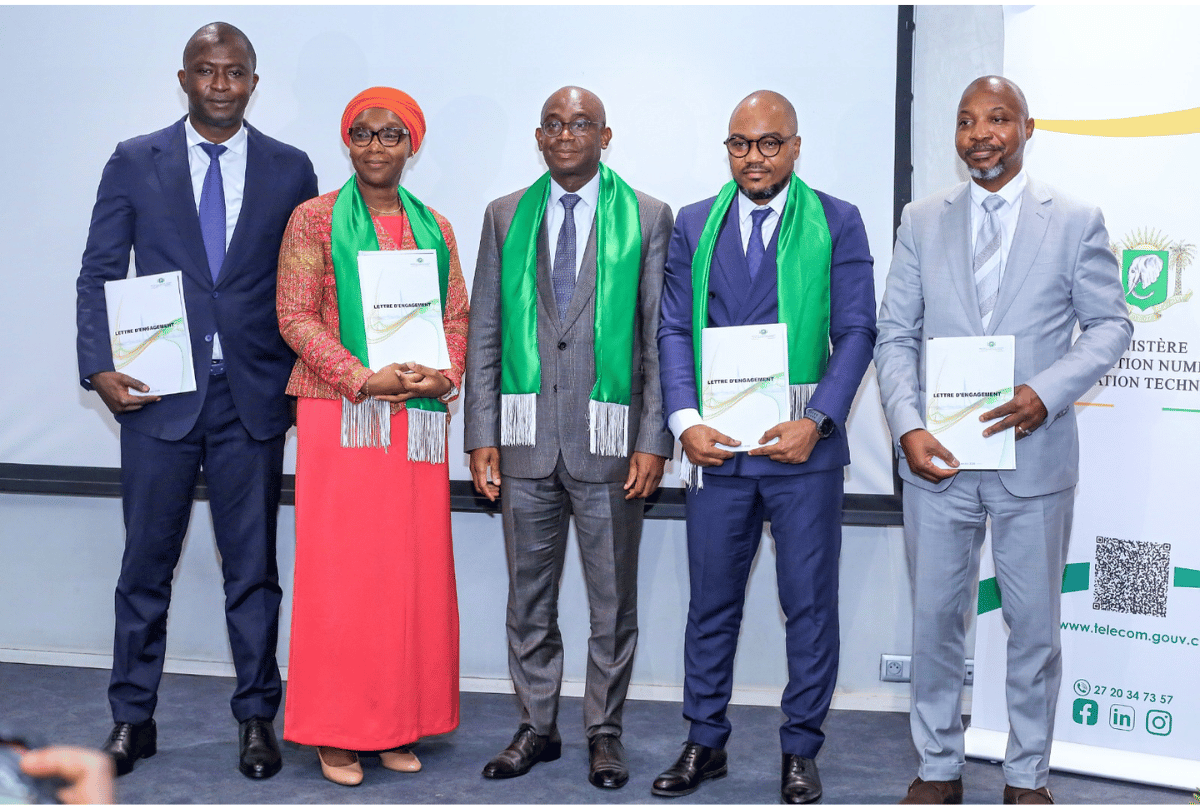
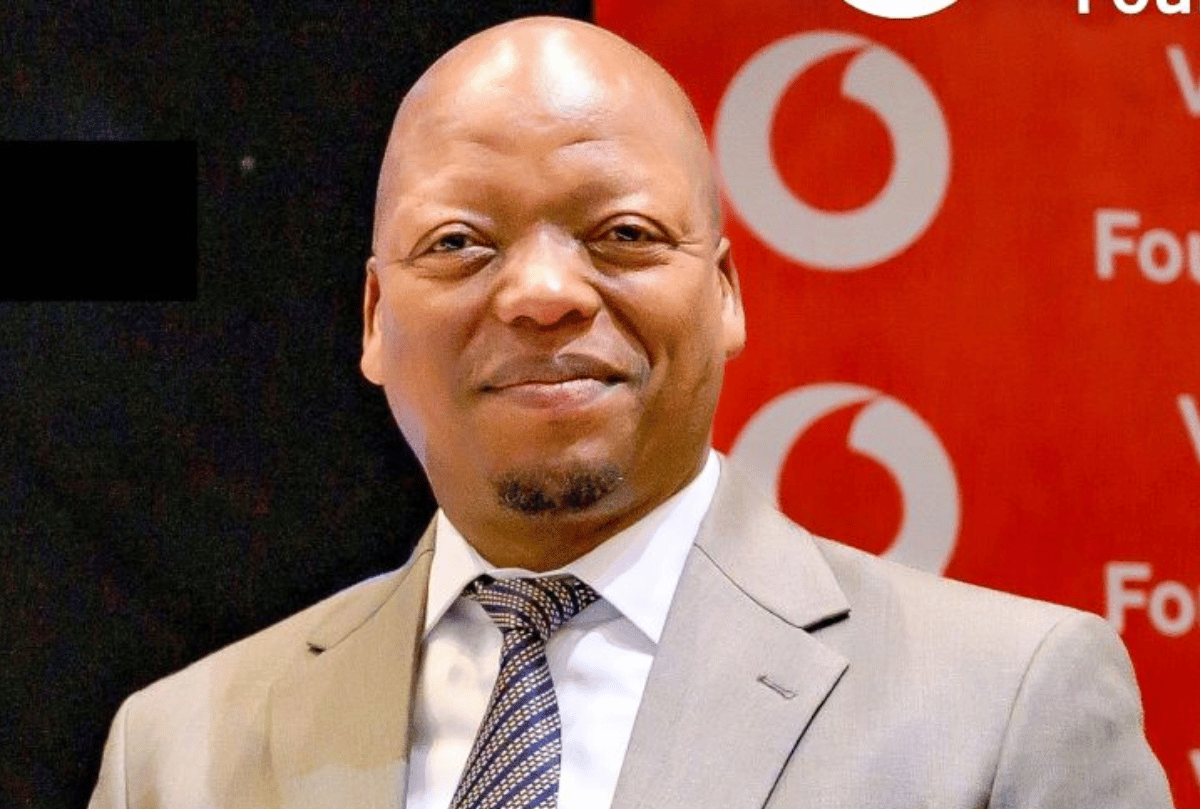
Zimbabwe's Commonwealth bid has gained support from Sir Lindsay Hoyle, at least according to Jacob Mudenda. The National Assembly Speaker says his British peer has agreed to use his clout to help the country get back in. Mudenda shared the news at Zimbabwe House after the pair held talks in London.
A team of MPs who deal with foreign policy and trade went with Mudenda. Embassy staff, senior state officials, ZANU PF members, and Zimbabwean business leaders based abroad took part as well.
But the chat went beyond the bid to join the group again. Both sides looked at ways their parliaments could share skills and ideas. Mudenda felt their systems had much in common, and closer ties could help the two states work together.
For Mudenda, equal status was a big deal. He cited Article 2 of the United Nations Charter to make his case for fair treatment and respect for each state's rights. Zimbabwe, he argued, should deal with Britain as a peer, not as a past colony.
He also wants MPs to play a role in talks between states, while heads of government handle their part. And when life in a country changes, its laws must adapt as well. That was another point he raised.
The history here is quite messy. A disputed vote for president led the Commonwealth to bar Zimbabwe from its council meetings. Claims of political violence and fears over free voting were key parts of the row.
Later, leaders met in Abuja, Nigeria, and chose to keep the ban with no set end. Zimbabwe then quit the group rather than stay under those terms.
President Emmerson Mnangagwa made a fresh bid to bring the country back. Critics, though, still want clear proof of better human rights, fair government, and respect for the law.
And despite Hoyle's reported pledge, there is no deal yet. His views alone cannot grant Zimbabwe a return. The Commonwealth still has to weigh the request under its rules before any decision can take effect.