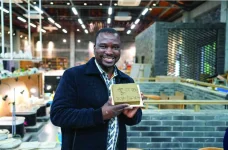
Forget paper dictionaries, this professor is hacking language learning. Herbert Mushangwe, also called Li Kaiming, is teaching Chinese people how to speak Shona using tech. He started in Chivi, Zimbabwe, then studied linguistics in China. His work now focuses on bridging the gap between the two cultures.
He specializes in Chinese and applied linguistics. A key project uses voice recognition software for pronunciation. The research helps students overcome speaking barriers in foreign languages. Mushangwe thinks language builds stronger ties between Zimbabwe and China. He says real cooperation needs understanding beyond simple trade deals.
The academic published a groundbreaking Shona-Chinese dictionary. It was the first resource of its kind. He got the idea while studying in China, watching Asian students use native language dictionaries. African students had no similar tools. This observation motivated his initial work.
He later questioned the value of physical dictionaries. Mushangwe realized digital media made books less relevant. He even wrote a paper critiquing his own dictionary. Now he pushes for modern, digital learning methods. His goal is to make language study more accessible and engaging for everyone.
He collaborates with groups like the Confucius Institute. Their projects place the Shona and Chinese languages on equal footing. Mushangwe believes proper pronunciation builds student confidence. His teaching develops specific strategies to help learners cope. This modern approach aims for mutual benefit in international relations.
He specializes in Chinese and applied linguistics. A key project uses voice recognition software for pronunciation. The research helps students overcome speaking barriers in foreign languages. Mushangwe thinks language builds stronger ties between Zimbabwe and China. He says real cooperation needs understanding beyond simple trade deals.
The academic published a groundbreaking Shona-Chinese dictionary. It was the first resource of its kind. He got the idea while studying in China, watching Asian students use native language dictionaries. African students had no similar tools. This observation motivated his initial work.
He later questioned the value of physical dictionaries. Mushangwe realized digital media made books less relevant. He even wrote a paper critiquing his own dictionary. Now he pushes for modern, digital learning methods. His goal is to make language study more accessible and engaging for everyone.
He collaborates with groups like the Confucius Institute. Their projects place the Shona and Chinese languages on equal footing. Mushangwe believes proper pronunciation builds student confidence. His teaching develops specific strategies to help learners cope. This modern approach aims for mutual benefit in international relations.