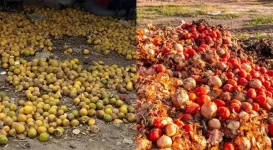
Nigeria's cashew industry could bank ten billion dollars yearly, but keeps fumbling the bag. The National Cashew Association says weak policies and poor processing are costing the country massive revenue. Their president, Dr Ojo Joseph Ajanaku, argues Nigeria has all the needed land and people to dominate the global market, yet trails behind smaller nations.
The association pushes for a national cashew policy crafted locally, not by outside forces. They want protection for the industry and a shift toward organic production. Nigeria possesses vast unused arable land, even as it lags in output compared to rivals like Cote d'Ivoire. Proper harnessing could create jobs for over fifty million citizens.
A major issue is the lack of local processing plants. Leading producer states like Kogi have no factories, forcing raw nut exports. This practice sacrifices huge revenue and employment potential. Ajanaku urged state governments to attract investors for local processing and called for entrepreneurs to invest in their home regions.
Data problems also plague the sector. Official figures are unreliable because large cashew volumes exit the country without record. Exporters sometimes bypass procedures to avoid repatriating earnings. Documented exports recently exceeded four hundred thousand metric tons, valued aat round seven hundred million dollars, but actual numbers are higher.
With focused effort, annual production could hit two million metric tons, generating three billion dollars from nuts alone. Fully exploiting byproducts like cashew nut shell liquid would add significant value. The association believes total annual earnings could reach that ten billion dollar mark with complete value chain development.
An upcoming industry event in the capital aims to show global investors that Nigeria is ready for business. The goal is to secure policy choices that enable Nigeria to lead in the international cashew market.
The association pushes for a national cashew policy crafted locally, not by outside forces. They want protection for the industry and a shift toward organic production. Nigeria possesses vast unused arable land, even as it lags in output compared to rivals like Cote d'Ivoire. Proper harnessing could create jobs for over fifty million citizens.
A major issue is the lack of local processing plants. Leading producer states like Kogi have no factories, forcing raw nut exports. This practice sacrifices huge revenue and employment potential. Ajanaku urged state governments to attract investors for local processing and called for entrepreneurs to invest in their home regions.
Data problems also plague the sector. Official figures are unreliable because large cashew volumes exit the country without record. Exporters sometimes bypass procedures to avoid repatriating earnings. Documented exports recently exceeded four hundred thousand metric tons, valued aat round seven hundred million dollars, but actual numbers are higher.
With focused effort, annual production could hit two million metric tons, generating three billion dollars from nuts alone. Fully exploiting byproducts like cashew nut shell liquid would add significant value. The association believes total annual earnings could reach that ten billion dollar mark with complete value chain development.
An upcoming industry event in the capital aims to show global investors that Nigeria is ready for business. The goal is to secure policy choices that enable Nigeria to lead in the international cashew market.