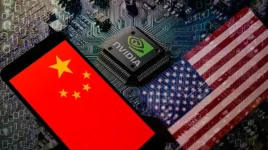
NVIDIA has decided to cease production of its H20 graphics processing units designed specifically for the Chinese market. The company recently instructed component suppliers to stop work related to these processors. China's government has grown increasingly wary of dependence on American technology infrastructure. Chinese officials actively discourage domestic technology firms from purchasing H20 units amid concerns about potential surveillance capabilities. This resistance undermines the economic viability of continued manufacturing.
The Trump administration previously permitted NVIDIA to resume H20 shipments after demanding a 15 percent revenue share from Chinese sales. Earlier restrictions had cost NVIDIA approximately $4.5 billion in inventory losses during one quarter alone. The company earned $17 billion from China in the previous fiscal year, representing 13 percent of total revenue. NVIDIA estimates its potential annual Chinese market opportunity at $50 billion. The manufacturer plans to introduce B30 processors as H20 replacements, though success remains uncertain given current political tensions.
The Trump administration previously permitted NVIDIA to resume H20 shipments after demanding a 15 percent revenue share from Chinese sales. Earlier restrictions had cost NVIDIA approximately $4.5 billion in inventory losses during one quarter alone. The company earned $17 billion from China in the previous fiscal year, representing 13 percent of total revenue. NVIDIA estimates its potential annual Chinese market opportunity at $50 billion. The manufacturer plans to introduce B30 processors as H20 replacements, though success remains uncertain given current political tensions.