Zimbabwe to Roll Out Prepaid Water Meters Nationwide.
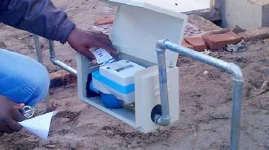
Zimbabwe plans to install prepaid water meters across the country. Harare will start the process. It is part of a public-private deal to improve water treatment and supply.
Paying in advance ensures everyone pays their bills, eliminating bad debts for water companies. The upfront funds provide working capital to buy chemicals and fix pipes. It also helps budget for long-term investments.
Most people support the plan if water is fairly priced and readily available. The prices must be transparent. The water should also be safe to drink.
Harare tested prepaid meters in four areas some years ago, but the city ended the trial without picking the best system. Officials wanted to stick with irregular supplies and unpaid bills.
The trial meters had flaws that frustrated users. For example, people had to buy water credits at municipal offices during business hours, and losing the meter card meant no water on weekends or holidays.
Power company Zesa has set the standard for easy prepaid meter systems. Zesa lets people buy electricity anytime via bank and mobile money. Customers just need their meter number, not the physical card.
Modern payment options allow people to buy power at home, even at midnight. Relatives can also buy power for families far away by texting the token.
For water meters to succeed, cities must end the monthly fixed charge. In the past, this ensured families bought enough water for health. Now, it is unfair when supply is erratic and people conserve water.
Encouraging smart water use means ending the minimum charge. Homes that take quick showers and collect rain should pay less. Bulk meters in apartments should be moved to individual units so each household can control its water.
Setting the right prices requires public debate. Before the meters arrive, an independent regulator should oversee costs. The regulator must allow efficient firms to make a small profit, but consumers must be protected from price gouging.
The water supplier will serve five towns: Harare, Chitungwiza, Ruwa, Epworth and Norton. The large market means the system has to work well. The supplier must make overdue investments and catch up on maintenance.
Upgrades will be expensive, so a strict regulator is vital to approve fair rates and set timelines. The capital return must be reasonable and reward efficiency.
Zimbabwe plans to install prepaid water meters across the country. Harare will start the process. It is part of a public-private deal to improve water treatment and supply.
Paying in advance ensures everyone pays their bills, eliminating bad debts for water companies. The upfront funds provide working capital to buy chemicals and fix pipes. It also helps budget for long-term investments.
Most people support the plan if water is fairly priced and readily available. The prices must be transparent. The water should also be safe to drink.
Harare tested prepaid meters in four areas some years ago, but the city ended the trial without picking the best system. Officials wanted to stick with irregular supplies and unpaid bills.
The trial meters had flaws that frustrated users. For example, people had to buy water credits at municipal offices during business hours, and losing the meter card meant no water on weekends or holidays.
Power company Zesa has set the standard for easy prepaid meter systems. Zesa lets people buy electricity anytime via bank and mobile money. Customers just need their meter number, not the physical card.
Modern payment options allow people to buy power at home, even at midnight. Relatives can also buy power for families far away by texting the token.
For water meters to succeed, cities must end the monthly fixed charge. In the past, this ensured families bought enough water for health. Now, it is unfair when supply is erratic and people conserve water.
Encouraging smart water use means ending the minimum charge. Homes that take quick showers and collect rain should pay less. Bulk meters in apartments should be moved to individual units so each household can control its water.
Setting the right prices requires public debate. Before the meters arrive, an independent regulator should oversee costs. The regulator must allow efficient firms to make a small profit, but consumers must be protected from price gouging.
The water supplier will serve five towns: Harare, Chitungwiza, Ruwa, Epworth and Norton. The large market means the system has to work well. The supplier must make overdue investments and catch up on maintenance.
Upgrades will be expensive, so a strict regulator is vital to approve fair rates and set timelines. The capital return must be reasonable and reward efficiency.