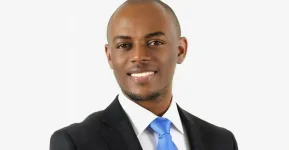
Dr. Dennis Daniel Ssemugenyi took the government to court over a new military law. The human rights defender filed papers at Uganda's Constitutional Court asking judges to throw out the UPDF Amendment Act from 2025. He says the law breaks basic rules about how Uganda should work. The doctor claims military courts cannot put regular people on trial. He wants the highest court to stop this law from working.
The new law lets army judges try ordinary citizens for crimes. Ssemugenyi argues this goes against parts of Uganda's constitution that promise fair trials. He points out that people deserve hearings before regular civilian courts that work independently. The law also tries to overturn previous Supreme Court decisions about military trials. Army courts should only handle cases involving soldiers according to the constitution.
The petition raises another major problem about how parliament works. Ssemugenyi says some areas have way more people than others but still send one representative each. Some districts have only 59,000 residents per politician whereas others pack over 150,000 people into one constituency. This creates unfair voting power that helped pass the military law. The uneven districts give the ruling party an artificial advantage.
Constitutional Court judges must decide if the military trial law violates Uganda's founding document. The case could change how democracy works across the country. International observers are watching closely as the court reviews these serious constitutional questions.
The new law lets army judges try ordinary citizens for crimes. Ssemugenyi argues this goes against parts of Uganda's constitution that promise fair trials. He points out that people deserve hearings before regular civilian courts that work independently. The law also tries to overturn previous Supreme Court decisions about military trials. Army courts should only handle cases involving soldiers according to the constitution.
The petition raises another major problem about how parliament works. Ssemugenyi says some areas have way more people than others but still send one representative each. Some districts have only 59,000 residents per politician whereas others pack over 150,000 people into one constituency. This creates unfair voting power that helped pass the military law. The uneven districts give the ruling party an artificial advantage.
Constitutional Court judges must decide if the military trial law violates Uganda's founding document. The case could change how democracy works across the country. International observers are watching closely as the court reviews these serious constitutional questions.