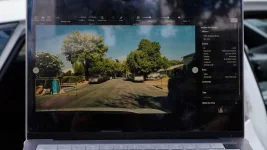
American cities and states are deploying artificial intelligence systems to identify road hazards and prioritize repairs as aging infrastructure deteriorates. Hawaii is distributing 1,000 dashboard cameras to drivers through its Eyes on the Road campaign, using AI to automate inspections of guardrails, signage and pavement markings while distinguishing between minor issues and urgent maintenance needs. The initiative follows a settlement with the family of a motorist killed after striking a guardrail that remained unrepaired for 18 months and comes as traffic fatalities have exceeded previous annual totals.
San Jose has achieved 97 percent accuracy in pothole detection after mounting cameras on street sweepers, while Texas is using AI to scan thousands of lane miles for outdated street signs and analyze cellphone data from enrolled drivers. Cambridge Mobile Telematics developed StreetVision, which identifies dangerous driving patterns and their underlying causes, including infrastructure problems like obscured stop signs.
The GovAI Coalition, established by San Jose officials, enables governments to share AI databases and best practices for road safety improvements. Industry experts predict most vehicles will include cameras within eight years as transportation agencies prepare infrastructure for both human and autonomous drivers.
San Jose has achieved 97 percent accuracy in pothole detection after mounting cameras on street sweepers, while Texas is using AI to scan thousands of lane miles for outdated street signs and analyze cellphone data from enrolled drivers. Cambridge Mobile Telematics developed StreetVision, which identifies dangerous driving patterns and their underlying causes, including infrastructure problems like obscured stop signs.
The GovAI Coalition, established by San Jose officials, enables governments to share AI databases and best practices for road safety improvements. Industry experts predict most vehicles will include cameras within eight years as transportation agencies prepare infrastructure for both human and autonomous drivers.