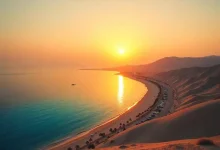
Saudi Arabia claimed the top position worldwide as a travel destination in 2025, marking an unprecedented achievement for the kingdom. The nation recorded a remarkable 102 percent surge in international arrivals throughout the first quarter, far exceeding the global growth rate of 3 percent. This milestone marks the culmination of Vision 2030 initiatives aimed at diversifying the economy beyond oil revenues. The UN World Tourism Organization confirmed these figures in its May 2025 World Tourism Barometer report. Revenue from tourism reached historic levels, surpassing all previous records for the kingdom.
Makkah remains the most visited location within Saudi Arabia, attracting 9.4 million travelers during 2022 alone. Religious pilgrimage accounted for 5.9 million international visitors that year, establishing it as the largest tourism category. Al-Ula has emerged as a significant cultural destination, featuring the UNESCO World Heritage site of Hegra, which boasts ancient Nabatean tombs. Riyadh combines modern architecture, such as the Kingdom Centre Tower, with historical attractions like the Masmak Fortress. Jeddah draws visitors to its Red Sea coastline and UNESCO-listed Al-Balad district.
International guests predominantly arrive from neighboring countries, including Bahrain, Kuwait, Egypt, Pakistan, and Indonesia. Visitors demonstrate strong engagement with Saudi destinations, averaging 16.7 nights per stay compared to shorter durations at other global locations. The kingdom is expected to achieve 30 million international visitors in 2024 and aims to reach 70 million by 2030. Major development projects, such as NEOM and luxury Red Sea resorts, continue to expand tourism infrastructure. Adventure tourism thrives at locations such as the Edge of the World near Riyadh.
Makkah remains the most visited location within Saudi Arabia, attracting 9.4 million travelers during 2022 alone. Religious pilgrimage accounted for 5.9 million international visitors that year, establishing it as the largest tourism category. Al-Ula has emerged as a significant cultural destination, featuring the UNESCO World Heritage site of Hegra, which boasts ancient Nabatean tombs. Riyadh combines modern architecture, such as the Kingdom Centre Tower, with historical attractions like the Masmak Fortress. Jeddah draws visitors to its Red Sea coastline and UNESCO-listed Al-Balad district.
International guests predominantly arrive from neighboring countries, including Bahrain, Kuwait, Egypt, Pakistan, and Indonesia. Visitors demonstrate strong engagement with Saudi destinations, averaging 16.7 nights per stay compared to shorter durations at other global locations. The kingdom is expected to achieve 30 million international visitors in 2024 and aims to reach 70 million by 2030. Major development projects, such as NEOM and luxury Red Sea resorts, continue to expand tourism infrastructure. Adventure tourism thrives at locations such as the Edge of the World near Riyadh.